






























That Afternoon Coffee Could Be Ruining Your Sleep, Experts Say
It’s the caffeine that gets us through the day. But if you’re not sleeping well at night, it could be your latte

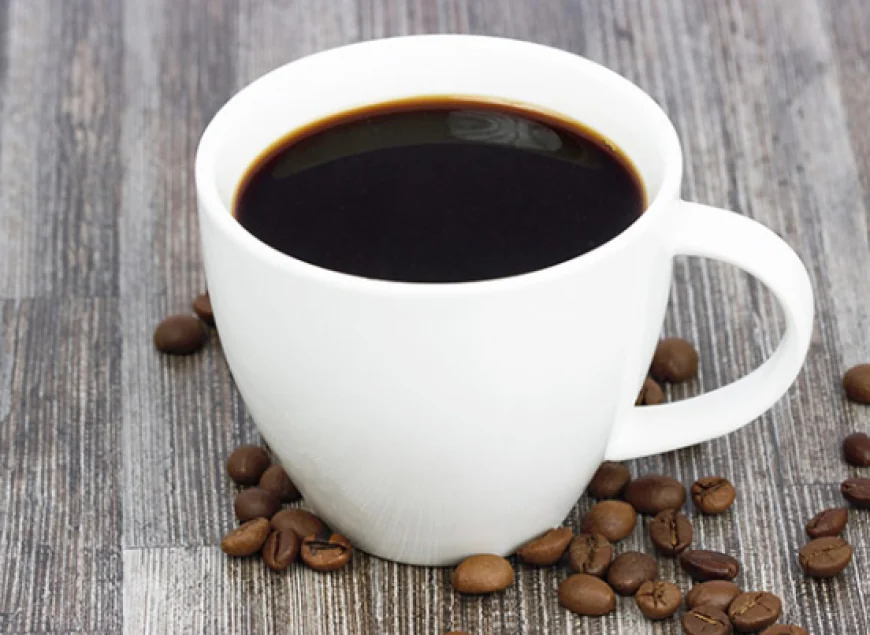
Experts say timing and amount matter. Caffeine may help keep you alert, but it can also disrupt your sleep — long after that last cup.
Influence of caffeine on sleep
How does caffeine work? Caffeine blocks a brain chemical called adenosine. When adenosine builds up, you feel tired.
Adenosine is what tells your brain to start winding down. When you block that, it doesn't get the signal. This can make it harder to fall asleep, stay asleep, or get deep, restorative sleep.
“It’s not just about being awake,” said one sleep authority. “Even if you do fall asleep, caffeine can interfere with sleep quality.
Not all people are the same
Some people can have coffee with dinner and sleep fine. Some people get a buzz off of one cup in the morning.
How quickly your body metabolises caffeine can depend on factors like your age, your genes, medications and your general health. On average, half of the caffeine leaves your system in 5 to 6 hours, but for sensitive people the effects can last much longer.
Why is sleep important
Regular caffeine consumption can interfere with sleep, resulting in daytime fatigue, trouble concentrating, mood swings, and decreased productivity. and long-term chronic poor sleep has been associated with broader health problems.
Change your caffeine habits
Health professionals are not asking you to give up coffee. They advise a few simple changes:
Cut off caffeine in early afternoon — usually 6 to 8 hours before bedtime
Watch hidden sources – tea, energy drinks, pre-workout, even chocolate
Switch to decaf or water in the evening
Keep a regular sleep schedule to get your body back in sync
An expert said: “Small changes can make a big difference. A good place to start: timing your caffeine if getting enough sleep is a priority.
What's Your Reaction?
 Like
0
Like
0
 Dislike
0
Dislike
0
 Love
0
Love
0
 Funny
0
Funny
0
 Angry
0
Angry
0
 Sad
0
Sad
0
 Wow
0
Wow
0