





























UPF Clothing Gains Attention as More People Prioritise Sun Protection
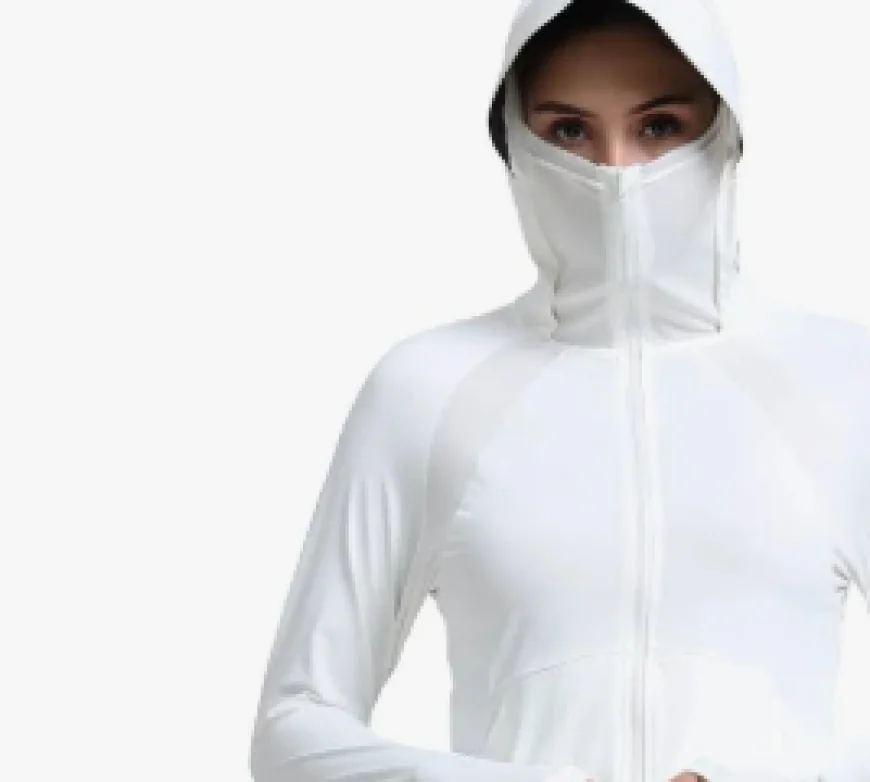
As the summer temperatures rise and awareness about skin health increases, UPF clothing is quickly moving from niche sportswear into everyday wardrobes. The specially designed clothes, rated for Ultraviolet Protection Factor, are being chosen for everything from a morning walk and travel to gardening and sports.

Dermatologists say the increased interest is part of a bigger trend: People are looking at sun protection as a daily habit, not just a beach day thing.
What is UPF clothing?
UPF is Ultraviolet Protection Factor. It is a measure of how effective a fabric is at blocking the sun’s UV radiation from the skin.
UPF-rated clothing is different from standard cotton or polyester because it's constructed with tightly woven fabrics, special dyes, and sometimes chemical treatments that either absorb or reflect UV rays. Each product is lab tested and graded, similar to the SPF rating on sunscreen.
For example, a fabric with a UPF 50 blocks about 98% of UV rays. That means only 1 in 50 UV rays is able to penetrate the fabric.
Regular clothes do provide some protection, but how much depends on the colour, weave, and whether the fabric is wet, experts say. UPF clothing has been tested and is reliable.
Why is it gaining popularity?
There are three factors driving demand.
1. More time outdoors and warmer temperatures. More people are walking, cycling and working outdoors, even in the height of summer.
Second, to raise awareness about skin health. Dermatologists have been warning us for years about the connection between UV exposure and sunburn, premature ageing, dark spots and skin cancer risk.
Third, ease of use. UPF shirts, trousers, hats and scarves protect you while you are wearing them, unlike sunscreen, which you have to reapply. That appeals to travellers, hikers, golfers and parents with kids in outdoor activities.
Retailers in Delhi, Mumbai and Bengaluru are seeing more sales of UPF polos, long-sleeved shirts, wide-brim hats and even UPF leggings. Nowadays lots of brands sell them as “cool” fabrics, with weaves that wick moisture and breathe and don’t feel heavy in the heat.
How it helps protect the skin
Prolonged exposure to UV rays is a leading cause of sunburn, tanning and photo-ageing and increases the risk of long-term skin damage.
UPF clothing offers a physical barrier. Long-sleeved UPF shirts protect arms and shoulders, areas that people often forget to put sunscreen on. Hats and scarves with UPF protection for the face, neck & ears.
Doctors suggest wearing layers such as UPF clothing, sunglasses, a hat and sunscreen on exposed areas such as hands and face.
“It’s not a substitute for sunscreen. It’s about covering less skin with it,” said a dermatologist in Delhi. “It makes a big difference for people out there 2-3 hours a day,” he said.
Experts recommend a full sun safety routine
Health experts say UPF clothing is one part of sun safety, but not the whole fix.
Their checklist includes:
1. Avoid peak sun: 11 AM to 4 PM when UV is at its strongest
2. Cover up: UPF shirts, trousers, hats, sunglasses
3. Sunscreen: Broad-spectrum SPF 30+ on exposed skin; reapply every 2 hours
4. Drink lots of water and rest in the shade when possible
They also recommend checking the UPF label before you buy. UPF 30 to 50 is very good. And wash instructions are important as well – some treatments can reduce protection over time.
With more heat waves and outdoor lifestyles, UPF clothing is now viewed more as functional rather than preventative. From school sports to weekend treks, more of us are treating sun protection the way we treat rain gear – something you plan for before stepping out.
What's Your Reaction?
 Like
0
Like
0
 Dislike
0
Dislike
0
 Love
0
Love
0
 Funny
0
Funny
0
 Angry
0
Angry
0
 Sad
0
Sad
0
 Wow
0
Wow
0