




























Rupee Falls 48 Paise to 96.16 Against U.S. Dollar Amid Rising Oil Prices
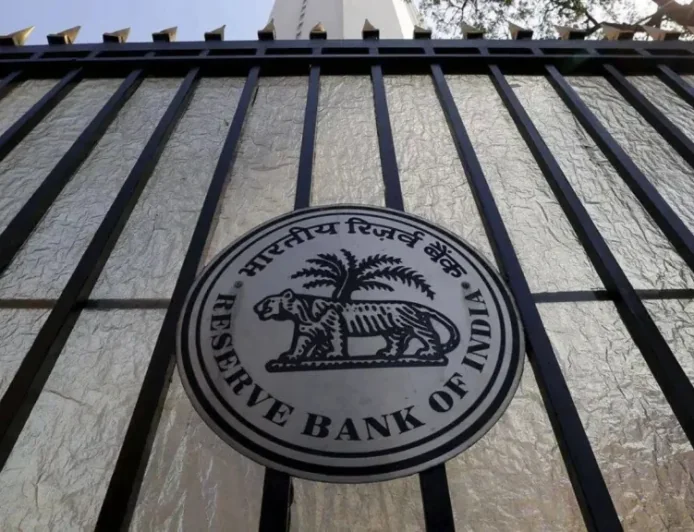
The Indian rupee dropped 48 paise to 96.16 against the U.S. dollar in early trade to extend losses as rising crude oil prices and global uncertainty hurt sentiment.

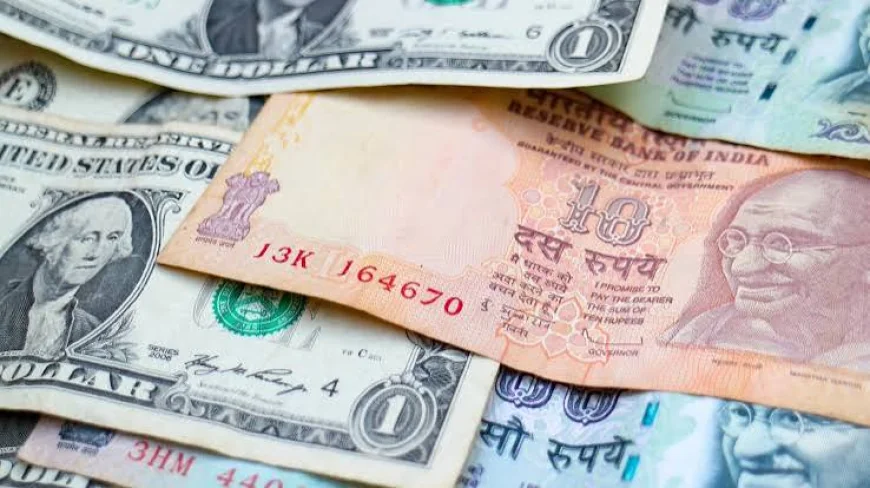
Behind the sterile financial headlines about the "rupee falling 48 paise to 96.16", there is a stressful reality for anyone trying to plan for the future. It is the human story of a parent sitting at a desk, looking at the rising cost of their child's upcoming college semester abroad, or a small business owner staring at a spreadsheet, realising the components they need to import from overseas just got significantly more expensive overnight.
Here is what that sudden currency dip looks like at a raw, human level:
The Global Tug-of-War
Think of the exchange rate not as a random score on a board, but as a giant, global tug-of-war between currencies. Right now, the US dollar is pulling with immense strength.
When global uncertainty spikes, like sudden geopolitical tensions making waves across international trade routes, investors around the world enter panic mode. They want to put their money in the safest possible place, and historically, that place is the US dollar. As investments are pulled out of emerging markets and tucked away safely in the US, the sheer demand for the greenback causes it to surge, dragging the rupee down.
The Hidden Tax on Daily Life
A falling currency isn't just a headache for international travellers or big corporations; it acts like a slow, invisible tax that eventually reaches every household.
Because the economy imports a vast amount of its crude oil, those oil barrels are priced strictly in US dollars. When the local currency weakens, it takes more cash just to buy the exact same amount of fuel.
That extra cost ripples down the line with absolute certainty. The truck driver paying more at the pump passes that cost onto the logistics company, which passes it onto the wholesaler, who passes it onto your local market. Within a few weeks, a drop in the currency market manifests as a higher price tag on everyday groceries, electronics, and standard consumer goods.
The Balancing Act
The real human drama behind the scenes happens at the central bank. While ordinary citizens watch the numbers drop on the morning news, team members at the treasury are actively stepping into the market. They use the nation's foreign exchange reserves, selling off dollars to buy up local currency, trying to act like a financial shock absorber to keep the currency from sliding into a freefall.
It is a delicate balancing act of patience and intervention. For the average person, it is a reminder that our local wallets are deeply plugged into a volatile global grid—and sometimes, the best move is to ride out the storm while the macroeconomics sort themselves out.
The Reality Check: A dipping currency is a double-edged sword. While it pinches consumers who rely on imported goods, it provides a sudden, welcome boost to local exporters and professionals who earn their revenues in foreign currencies, helping to keep the broader economic engine balanced.
What's Your Reaction?
 Like
0
Like
0
 Dislike
0
Dislike
0
 Love
0
Love
0
 Funny
0
Funny
0
 Angry
0
Angry
0
 Sad
0
Sad
0
 Wow
0
Wow
0