
























“Not Just Corruption, It’s a System Failure”: RSS on Jantar Mantar Protest
The RSS has described the Jantar Mantar protest as a reflection of broader systemic failures, not merely corruption. RSS leader C R Mukunda called for institutional reforms, accountability and constructive solutions to address public grievances.

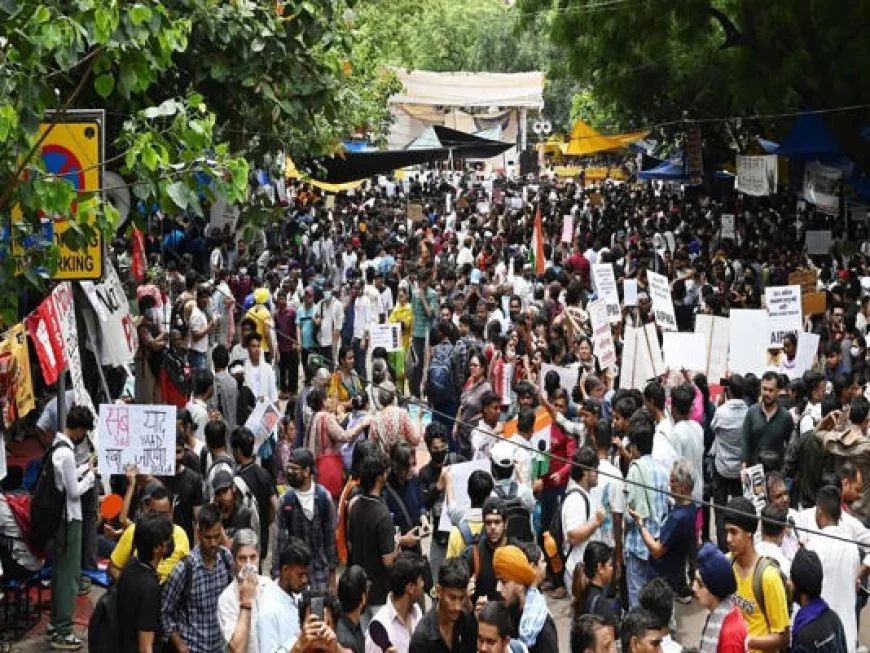
The ongoing political debate surrounding the Jantar Mantar protest has taken a fresh turn after the Rashtriya Swayamsevak Sangh (RSS) said that the demonstrations reflect deeper failures within the system, rather than being limited to the issue of corruption. The RSS stressed that institutional and administrative shortcomings also need to be addressed to resolve public grievances.
RSS leader C R Mukunda made the remarks while speaking after a three-day coordination committee meeting. According to him, the concerns being raised by people point towards broader weaknesses in the functioning of various systems. His statement comes at a time when protests and political campaigns have increasingly focused on accountability, transparency and the functioning of public institutions.
RSS Highlights Broader Systemic Issues
Mukunda’s comments suggest that corruption is only one part of a larger problem. Administrative delays, lack of accountability and weaknesses in institutional mechanisms can also create frustration among citizens.
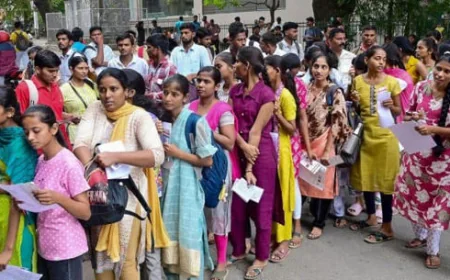
He pointed towards concerns surrounding competitive examinations and other public systems, including issues that have sparked debates around examinations such as NEET. Such matters have raised questions about transparency, fairness and the ability of institutions to effectively handle public concerns.
The RSS’s position is that these issues require structural solutions rather than temporary measures. Strengthening institutions and improving administrative processes, it said, are important for restoring public confidence.
Call for Accountability and Reforms
The organisation has emphasised the need for institutions to become more responsive to citizens. Effective grievance-redressal mechanisms, transparent procedures and accountability can help prevent public dissatisfaction from turning into prolonged protests.
The Jantar Mantar area has traditionally been a major platform for political and social movements in Delhi. Protests held there often bring issues concerning government policies, examinations, employment and public administration into the national spotlight.
The latest RSS remarks add another dimension to the debate by describing the situation as a systemic issue rather than simply a corruption-related controversy.
RSS Says Change Should Be Constructive
While acknowledging that problems exist within the system, Mukunda stressed that change should be achieved through constructive methods. Institutional weaknesses, according to the RSS, should be addressed through dialogue, reforms and corrective action instead of disruption.
The statement places renewed focus on the responsibility of government institutions to listen to public concerns and implement meaningful reforms. At the same time, it highlights the importance of ensuring that protests remain peaceful and focused on democratic dialogue.
As the debate continues, the central question remains whether authorities can address the concerns being raised and improve the functioning of institutions. The RSS’s comments indicate that tackling corruption alone may not be enough and that wider administrative reforms could be necessary to address the underlying causes of public dissatisfaction.
What's Your Reaction?
 Like
0
Like
0
 Dislike
0
Dislike
0
 Love
0
Love
0
 Funny
0
Funny
0
 Angry
0
Angry
0
 Sad
0
Sad
0
 Wow
0
Wow
0