
















Kolkata Taratala Warehouse Collapse Unearths Deep-Rooted Corruption in Construction Sector
In the collapse of a warehouse in Kolkata, India, eleven people have died, raising serious questions about corruption, lax oversight and unsafe construction in the state’s building industry.

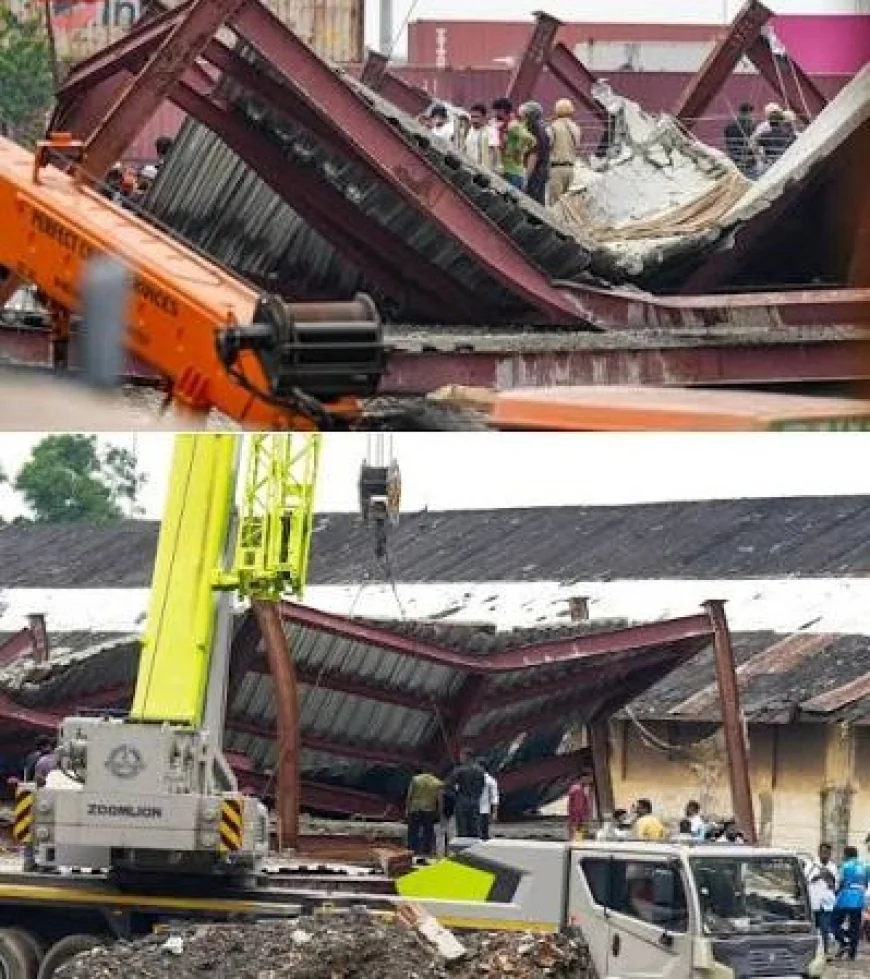
The tragic warehouse collapse in the Taratala area of Kolkata is a grim reminder of the human cost of regulatory lapses. Eleven people went to work one morning and never came home. Their families were destroyed, and the community cried out for answers. Behind the statistics are people. Real people. Mostly migrant labourers who have travelled far from their villages to work and earn a living, only to be buried under the weight of compromised concrete.
The tragedy has revealed a deeply entrenched culture of cutting corners and a total disregard for human life in the local building industry.
Ignored Warning Signs
Initial information indicates this tragedy was preventable. The building was said to have been constructed with shocking shortcuts, including the use of thin corrugated tin sheets to support a massive concrete roof.
The warning signs were all there but completely disregarded:
The Shaking Structure: The city was hammered by the heavy monsoon rains hours before the collapse. People nearby watched the building shake and vibrate oddly in the downpour.
The Rapid Turnaround: Witnesses heard a terrifying crack just before the collapse. It all collapsed in seconds. The workers had no time to get out; they were trapped inside the building.
Accountability – Only on Paper
The city has hard rules on paper. All building plans must be calculated, checked and signed by certified structural engineers. In fact, there is a dangerous loophole—a culture of “delegated signatures".
Some licensed professionals often stamp blueprints without reviewing them closely, leaving the real design work to unlicensed people, experts say. And where responsibility is diluted through an informal chain of subcontractors, no one has real responsibility for whether a building can actually stand.
Made using inferior materials
You cannot talk about construction issues in the region without talking about the elephant in the room, the influence of local material cartels, often referenced as the "Syndicate".
For years builders quietly admitted they must buy raw materials — sand, for example, and cement and steel — only from certain local groups. “These products are frequently sold at outrageous prices and are known to be of very poor quality. Investigators now want to know if the developers of the Taratala warehouse cut corners on structure to compensate for the financial squeeze of dealing with these cartels.
The Most Vulnerable Bear the Cost
When corruption and greed bring a building down, it’s always those on the ground who pay the price. The Taratala tragedy victims were vulnerable workers working without safety gear, proper supervision and insurance.
Until the city stops treating building safety as a paperwork exercise and starts aggressively cracking down on substandard material cartels and fake engineering certifications, buildings like the Taratala warehouse will remain ticking time bombs.
What's Your Reaction?
 Like
0
Like
0
 Dislike
0
Dislike
0
 Love
0
Love
0
 Funny
0
Funny
0
 Angry
0
Angry
0
 Sad
0
Sad
0
 Wow
0
Wow
0