



















How Abhijeet Dipke’s Boston Post Sparked the CJP Movement
Abhijeet Dipke’s satirical question—“What if all cockroaches come together?”—grew from a viral social-media post into a nationwide youth movement demanding education reforms.

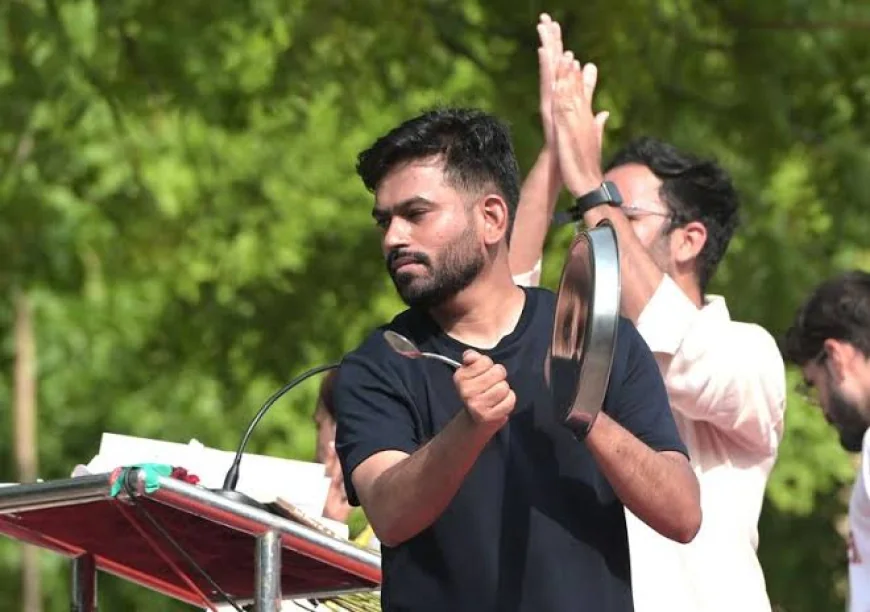
The Spark From Boston: How a Tweet Started a Youth Uprising
It started with a casual scroll and a burst of bitter irony. Political communications strategist Abhijeet Dipke, studying thousands of miles away in Boston, saw a maddening headline. Chief Justice of India Surya Kant made controversial remarks in court that seemed to liken unemployed youth to parasites and cockroaches. Though the judiciary later scrambled to clarify that the comment was targeted at fraudulent lawyers with fake degrees, the damage was done. The insult echoed loudly across the internet.
Instead of a formal, easily dismissed grievance letter, Dipke opted to fight absurdity with satire. "What if all cockroaches get united?" he asked in a sharp, provocative question on X on May 16. With that one post, he gave birth to the tongue-in-cheek Cockroach Janta Party (CJP) with the rebellious slogan "Voice of the Lazy & Unemployed". A smart digital defence mechanism that sought to strike a raw, universal nerve among millions of frustrated, jobless young Indians, turning an offhand judicial comment into a full-fledged cultural wildfire.
From Memes to the Streets: Explosion at Jantar Mantar
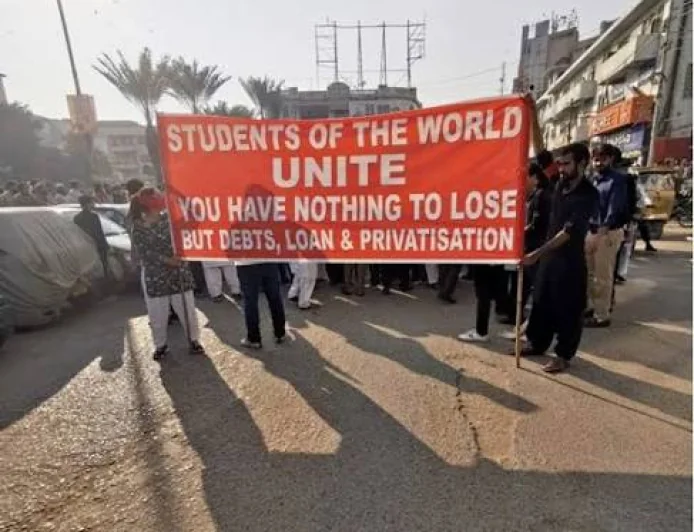
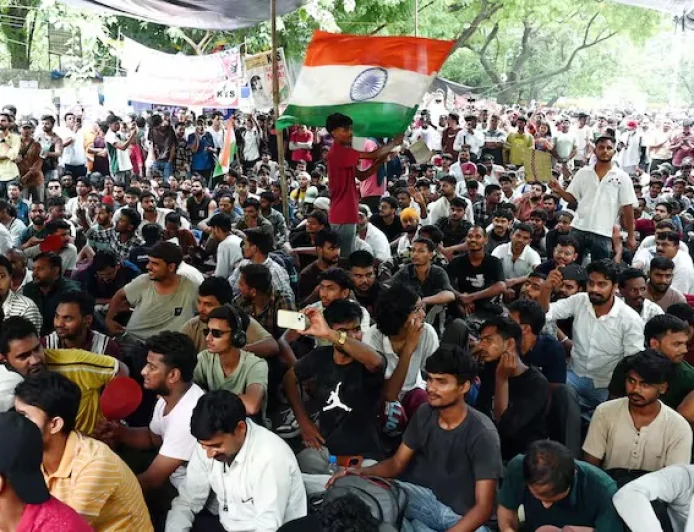
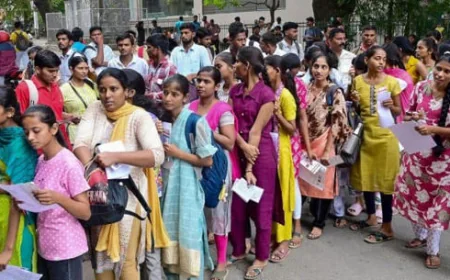
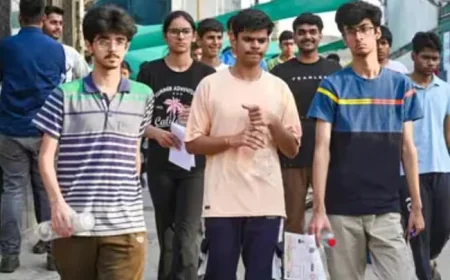
What happened behind computer screens didn’t stay online for long. Months of simmering anger over rigged exams, leaked papers and a stagnant job market have fed a digital movement that has quickly spilt onto the physical streets of New Delhi. By June, thousands of students and aspirants thronged Jantar Mantar, making satirical online memes a huge, undeniable physical presence right under the nose of the central government.
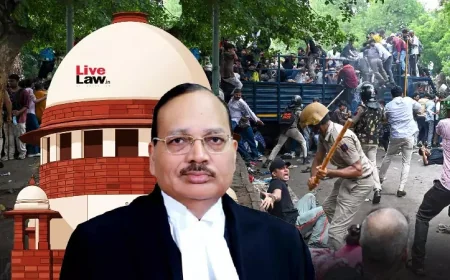
There was an electric atmosphere, driven by a generation that felt utterly betrayed by the establishment. But as the crowds grew and the momentum reached a boiling point, the state and the protesters became volatile in their friction. The CJP's ambitious 'Sansad Chalo' march to Parliament soon degenerated into chaos as it clashed with law enforcement, thrusting the movement into the eye of a national media storm.
Navigating the Chaos: Denials, Clashes and the Pursuit of Accountability
The political pressure cooker simmered down as the dust settled on the chaotic clashes, which also included disturbing allegations of an attack on an assistant commissioner of police. Abhijeet Dipke and the core CJP leadership denied any involvement in the violence, blaming instead outside agitators and fringe elements who infiltrated the peaceful student ranks to derail the protest.
Thwarted by police crackdowns, barricades, and attempts to break the movement’s spirit, it did not fold. Finally, the protesters' sheer resilience and the undeniable moral force of millions demanding a fair future forced the government to blink. It was a stunning display of how a bunch of digital-native rookies, armed with little more than wit and solidarity, managed to rattle the very foundations of India's political establishment.
What's Your Reaction?
 Like
0
Like
0
 Dislike
0
Dislike
0
 Love
0
Love
0
 Funny
0
Funny
0
 Angry
0
Angry
0
 Sad
0
Sad
0
 Wow
0
Wow
0