




























DMart Q1 Profit Rises 11% to ₹860 Crore as Revenue Touches ₹18,795 Crore
DMart operator Avenue Supermarts on Tuesday posted an 11 per cent rise in consolidated net profit to ₹860 crore in the first quarter and revenue grew to ₹18,795 crore.

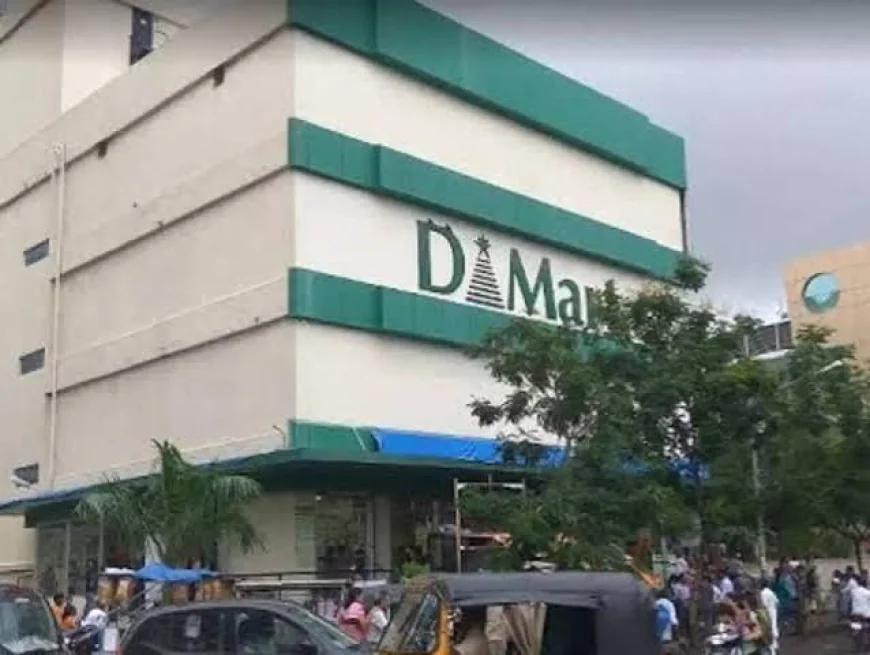
Avenue Supermarts, the parent company of supermarket giant DMart, has delivered a steady performance for the first quarter of the fiscal year. It proves that its classic value-first model still holds serious weight in India’s fast-moving retail scene.
Even with the rapid rise of hyper-convenient quick-commerce apps and deep-pocketed online players, DMart's discount-heavy, large-format stores managed to pull in consistent crowds. This translated to clear top and bottom-line growth, with revenue from operations hitting ₹18,795 crore and consolidated net profit rising 11% to ₹860 crore.
Riding Out the Quick-Commerce Wave
The retail landscape in India has changed drastically over the last couple of years. Dark stores and 10-minute delivery apps are aggressively eating into routine grocery budgets, especially in major metro areas. In fact, management noted that growth in their older metro stores, which usually bring in the highest revenue per square foot, remained flat this quarter. To streamline things, they even discontinued their online "DMart Ready" operations in seven smaller cities where it wasn't contributing enough.
However, DMart’s core strategy continues to shield its brick-and-mortar chain from the worst of this disruption.
-
The Price Premium: Quick commerce offers speed, but DMart offers a lower total receipt value. For budget-conscious Indian families planning their monthly bulk groceries, the chain’s deep discounts on everyday essentials remain incredibly tough to beat.
-
Operational Efficiency: The company avoids massive rental overheads by owning a large portion of its real estate rather than leasing it. This structural cost advantage is passed directly to consumers at the billing counter.
-
Smaller City Momentum: While growth slowed down in the big cities, DMart's stores in non-metro markets continue to perform remarkably well, showing that the demand for value is expanding outward.
Moving forward, institutional investors are keeping a razor-sharp focus on how fast DMart can scale up its physical network, having added three new stores this quarter to reach a total of 503. The big test will be whether its value pricing can continue to outpace the sheer convenience of instant delivery apps in urban centres.
What's Your Reaction?
 Like
0
Like
0
 Dislike
0
Dislike
0
 Love
0
Love
0
 Funny
0
Funny
0
 Angry
0
Angry
0
 Sad
0
Sad
0
 Wow
0
Wow
0