























Delhi’s Air Quality Enters ‘Good’ Category for First Time in Nearly Three Years
The continuous rains have kept the city under a blanket of monsoon clouds and brought down the Air Quality Index (AQI) to 48 on Saturday, the first time in almost three years that it has been in the “good” category.

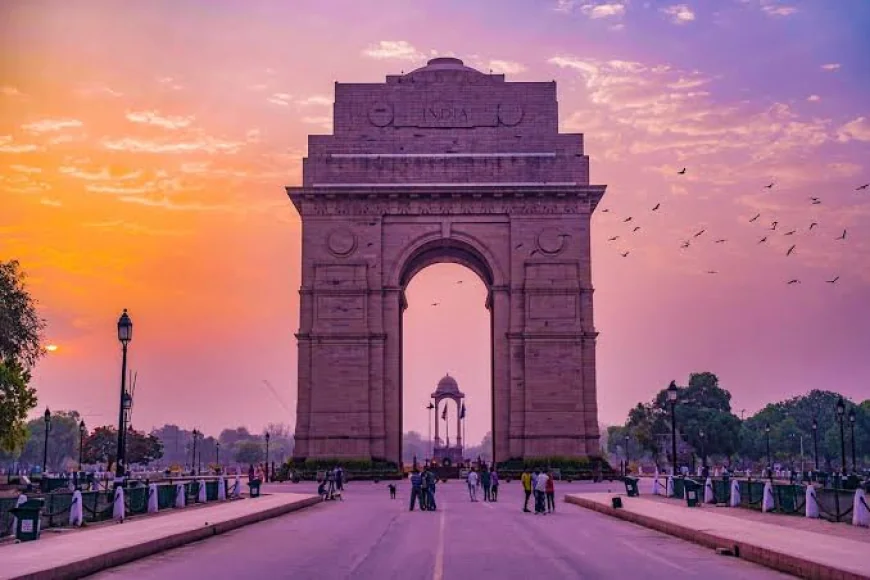
The atmospheric landscape of the national capital is on absolute high alert as a massive monsoon weather system—stretching right through the heart of the northern plains—barrels through Delhi. It is tracking to be the most significant relief from hazardous toxic air to refresh the region's long-standing pollution records in nearly three years. While administrative environmental bodies have struggled for years with policy implementation, this aggressive natural intervention has already triggered immense relief on the ground, leaving millions of local families scrambling to step outside and experience a rare, direct hit of clean air.
Respite in the Capital
The storm's initial collateral damage hit the heavy atmospheric blanket of the mega-city hardest. A sudden, massive downpour of rain completely washed away toxic particulate matter that routinely suffocates local families.
Environmental management officials have confirmed the daily average Air Quality Index dropped to a staggering 48, dragging the city into the coveted "good" category for the first time since September 2023. Emergency sanitation teams are clearing waterlogged avenues on a war footing, though the ongoing heavy downpours and flooded underpasses are making the local transit grid incredibly treacherous.
The Path of the Cleansing
Even though the capital frequently records dangerous "very poor" toxicity tags, the current meteorological storm is packing massive cleansing momentum with terrifyingly effective natural washout power.
The Atmosphere: The local air shed is experiencing what weather monitoring officials warn could be its most dramatic purification test in decades. Scientists are predicting that the intense "wet deposition" process will completely sweep fine particles right out of the breathing zone. In response, regional monitoring stations have recorded historic lows—with the cleanest pocket recording an AQI of just 23—and environmental agencies have put their entire observation network on active standby for long-term data analysis.
The Neighbourhoods: Torrential rain systems are sending a refreshing front screaming directly over a chain of heavily choked industrial zones—including Jahangirpuri—bringing violent, cleansing downpours and sharp visibility spikes before the moisture system heads further inland.
The Seasonal Shift: A direct collision is expected with the upcoming dry months, specifically near the heavily congested construction and industrial sectors of the National Capital Region. This is an incredibly stressful scenario for the administration, which is already reeling from an unrelated string of severe pollution spikes earlier in the season that claimed significant public health leverage. In preparation, environmental watchdogs have already evacuated weak enforcement policies from high-emission zones and placed field inspectors on high alert to track illegal trash burning.
The Immediate Reality: Across local community parks from Connaught Place to suburban residential zones, morning routines have been picked completely clean of smog warnings and replaced by families out walking in the rain. School children are desperately racing to play outdoors ahead of schedule, while fleets of thousands of public transport buses have been ordered to navigate rain-slicked bypass roads in a frantic bid to ride out the incoming wave of localised monsoon waterlogging.
What's Your Reaction?
 Like
0
Like
0
 Dislike
0
Dislike
0
 Love
0
Love
0
 Funny
0
Funny
0
 Angry
0
Angry
0
 Sad
0
Sad
0
 Wow
0
Wow
0