























Centre resumes full LPG supplies to commercial, industrial customers as availability improves
The Centre has restored LPG supplies to commercial and industrial users with improved availability. The government also stepped up supplies of propane and butane to the petrochemical industry.

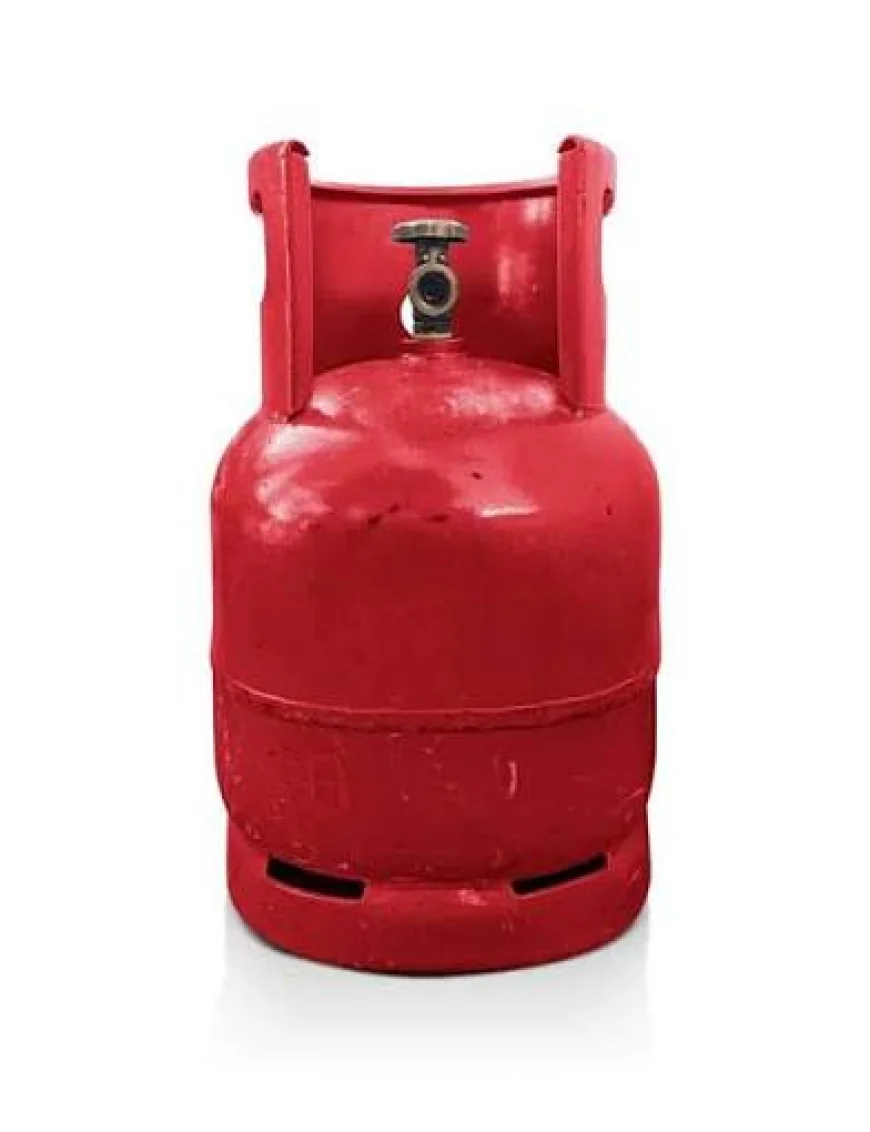
In a major relief to businesses, the central government has formally lifted the tight restrictions on allocations of liquefied petroleum gas (LPG) for commercial and industrial users.
Finally, non-household sectors can return to normal supply levels. Packed commercial LPG supplies are being fully restored, and bulk LPG allocations, which were completely stopped at the height of the shortage, are being bumped up to 50% of pre-crisis volumes.
The Reason the Spigot Got Shut Off
The supply crunch didn't happen in isolation. A geopolitical crisis of major proportions resulted in the abrupt closure of the Strait of Hormuz, the world’s most important shipping channel and the main conduit for India’s energy imports.
India relied on Middle Eastern producers for a huge 90% of its imported cooking gas before the conflict erupted. When that channel froze, the government had to think fast. It was a hard decision to make, but it was a necessary one to keep the home kitchens of the country warm. Hotels, restaurants, factories and other businesses were the ones who took the brunt of rationing so that domestic consumers could be given priority.
A Massively Expensive Pivot to America
Indian refiners overhauled their procurement strategy in the face of a crippled Middle Eastern supply chain. The country desperately wanted the United States to fill the void, purchasing huge shipments even as they paid out hefty premiums.
The strategy worked:
Record Imports: India’s LPG imports from the US are set to explode past a record-breaking 1 million metric tonnes.
Supply Recovery: Import volumes, which plummeted to frightening lows during the height of the shipping blockade, have recovered to above 1.1 million tonnes.
Growing Local Production
Together with its heavy dependence on American imports, the government also launched a massive domestic clean-up drive. Authorities made petrochemical companies re-route critical chemical streams back to refineries to maximise cooking gas production.
As the emergency recedes, the government is gradually turning down those diversions to allow petrochemical factories to get back to normal. But there’s a hard floor: domestic refineries are required to produce a minimum baseline amount of LPG – 40,000 metric tonnes per day. With the global market stabilising, fuel flows are back to normal, and energy security is safely secured; businesses can finally breathe a sigh of relief.
But the crisis has changed the long-term energy playbook forever. Moving forward, public sector oil marketing companies are creating a single database to track industrial consumption trends. At the same time, state authorities are being urged to shift eligible commercial entities gradually away from cylinders and onto permanent Piped Natural Gas (PNG) networks so that the country is never again at the mercy of a single shipping bottleneck.
What's Your Reaction?
 Like
0
Like
0
 Dislike
0
Dislike
0
 Love
0
Love
0
 Funny
0
Funny
0
 Angry
0
Angry
0
 Sad
0
Sad
0
 Wow
0
Wow
0