





















Beyond 1947: Pakistan Reconnects With Its 5,000-Year-Old Harappan Legacy
Pakistan is increasingly embracing the legacy of the 5,000-year-old Harappan civilisation as part of its national identity.

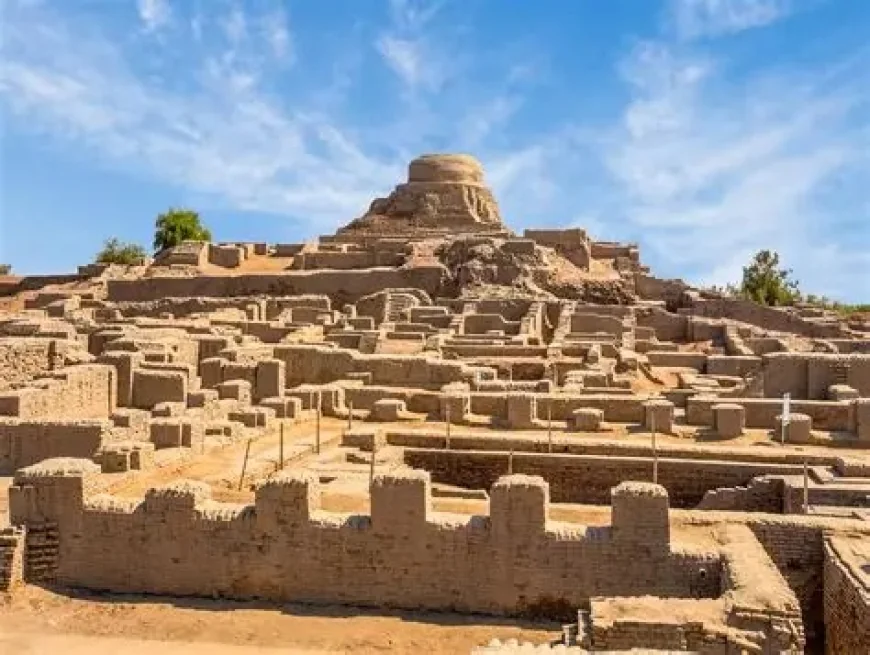
Pakistan is witnessing a renewed interest in its ancient past as scholars, historians, and cultural institutions increasingly highlight the 5,000-year-old Indus Valley (Harappan) Civilisation as a key part of the country's identity. The conversation reflects an ongoing effort to reconcile the region's rich archaeological heritage with the modern national identity that emerged after the country's creation in 1947.
A Civilisation Older Than Modern Borders
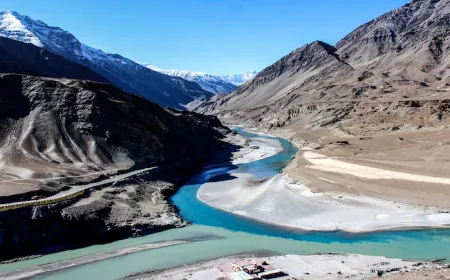
The Indus Valley Civilisation, one of the world's earliest urban societies, flourished around 2600–1900 BCE across present-day Pakistan and northwestern India. Iconic archaeological sites such as Harappa and Mohenjo-daro, both located in present-day Pakistan, showcase advanced urban planning, drainage systems, trade networks, and craftsmanship that continue to fascinate historians.
For decades, discussions about Pakistan's national identity largely centred on its formation in 1947. However, many academics now argue that acknowledging the region's much older civilisational history provides a broader and more inclusive understanding of the country's cultural roots.
Changing Perspectives
Museums, universities, and heritage organisations in Pakistan have increasingly promoted the study and preservation of Harappan history. Archaeological exhibitions, educational programmes, and research initiatives aim to raise awareness about the civilisation's global significance.
Supporters of this approach believe that embracing the Indus Valley heritage strengthens Pakistan's cultural identity without diminishing the importance of its modern political history. They argue that national identity can incorporate multiple historical layers rather than being defined by a single event.
Balancing History and Nationhood
The discussion has also sparked debate among historians and political commentators. Some believe that greater emphasis on ancient history encourages cultural pride and tourism, while others argue that modern nation-building and historical narratives should remain distinct.
Experts note that many countries celebrate civilisations that predate their present-day political boundaries, making it possible to honour ancient heritage while maintaining a contemporary national identity.
A Growing Global Interest
Pakistan's archaeological treasures continue to attract international researchers and visitors interested in the origins of one of humanity's earliest urban civilisations. Preservation efforts at sites like Mohenjo-daro remain a priority as authorities work to protect these invaluable landmarks from environmental and human threats.
As conversations around history, identity, and heritage continue, the renewed focus on the Harappan civilisation reflects a broader attempt to connect Pakistan's ancient past with its present and future. Rather than replacing the narrative of 1947, many scholars see this movement as an opportunity to enrich the country's understanding of its diverse historical legacy.
What's Your Reaction?
 Like
0
Like
0
 Dislike
0
Dislike
0
 Love
0
Love
0
 Funny
0
Funny
0
 Angry
0
Angry
0
 Sad
0
Sad
0
 Wow
0
Wow
0