





















Ayodhya Bar Boycott Row: Supreme Court Says Even the 'Wicked' Have the Right to a Lawyer
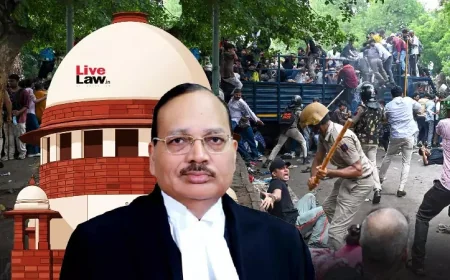
In the midst of the Ayodhya Bar boycott controversy, a Supreme Court judgement has re-iterated the constitutional right of every accused, even the ‘wicked’ to legal representation under Article 22(1).

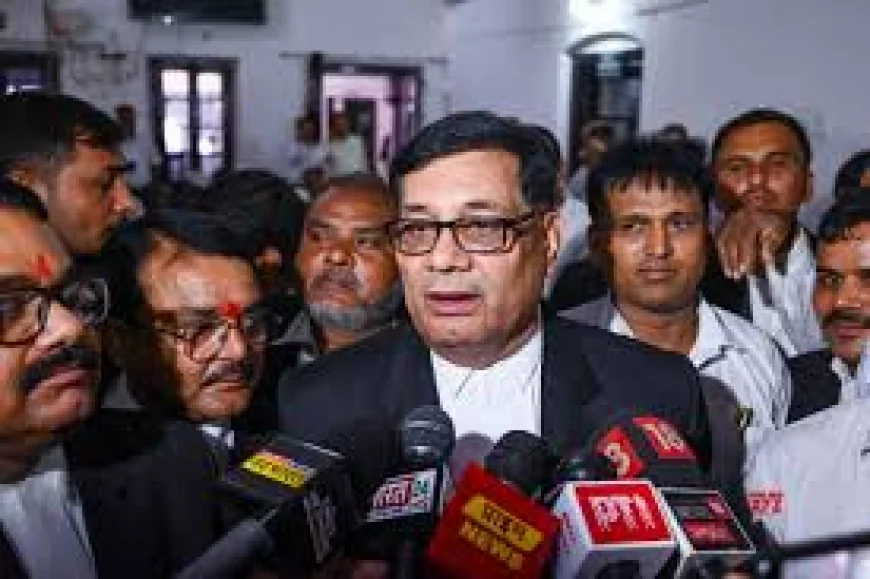
The decision by local lawyers in Ayodhya to boycott defending some accused individuals has kicked off a major debate across India's legal community. Collective boycotts are often fuelled by public outrage. But legal scholars and senior advocates are pointing straight back to a landmark 2010 Supreme Court ruling that delivered a hard truth: under the Indian Constitution, absolutely everyone has the right to a lawyer.
In that landmark judgement, the Supreme Court had famously noted that even the “wicked” deserve legal aid, saying that if legal aid is denied to someone, then the very foundation of a just system of justice is destroyed.
What the Law Really Says
The underlying problem is one of a core constitutional guarantee. Article 22(1) of the Indian Constitution specifically states that no arrested person can be refused the right to consult and be defended by a lawyer of his choice.
Over the years, the Supreme Court has repeatedly intervened to keep this rule airtight, setting out a few non-negotiable principles:
The Professional Obligation: Lawyers have an ethical and professional duty to provide representation. The court has already found it illegal and against the professional ethics for bar associations to adopt resolutions to boycott specific defendants.
Presumption of Innocence: The law says a person is innocent until proven guilty in a court of law, not the court of public opinion. Deny a defence, and you need not have a trial.
Avoiding a Mistrial When the defendant does not have an attorney, any conviction can be appealed with relative ease because the trial was not fair, defeating the purpose of seeking justice in the first place.
A Broken Legal Brotherhood
What is happening in Ayodhya is a stark reminder of a recurring tension in the legal world: the tension between raw public sentiment and constitutional duty. On the one hand, members of the local bar may feel that representing some people violates community values or leads to high levels of local tension.
On the flip side, jurists say failing to defend someone is a slippery slope. When lawyers get to decide who gets a defence based on how unpopular a crime is, the rule of law is pretty much no more. The court system cannot be impartial without a defence lawyer to challenge the prosecution's evidence, cross-examine witnesses and highlight procedural errors.
In the end, the Supreme Court’s position is abundantly clear: the right to a day in court with proper legal backing is not a privilege reserved for the innocent; it’s a fundamental guardrail built to protect everyone.
What's Your Reaction?
 Like
0
Like
0
 Dislike
0
Dislike
0
 Love
0
Love
0
 Funny
0
Funny
0
 Angry
0
Angry
0
 Sad
0
Sad
0
 Wow
0
Wow
0