






























Why Learning to Switch Off Is Essential for a Healthy Work-Life Balance
Your inbox is never off duty after 6 pm. Neither do Slack, Teams, or that “quick” email from your boss.

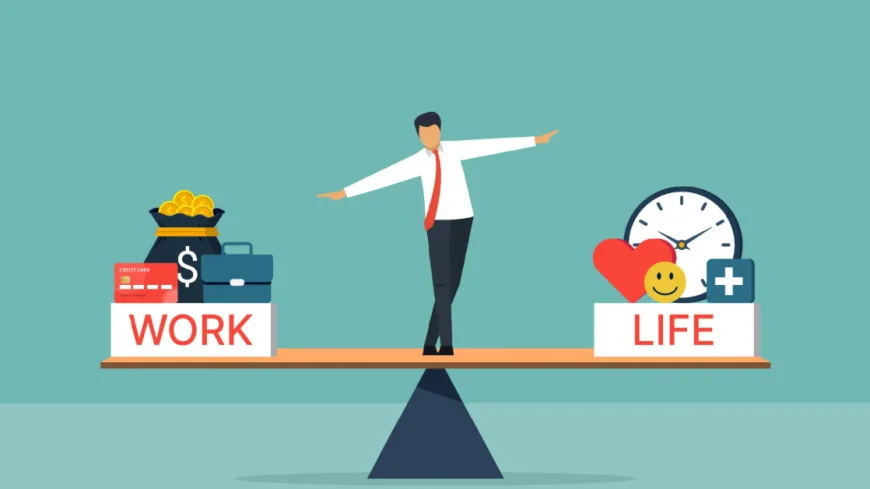
In a world where work comes home with us, the most important skill we can learn isn’t another productivity hack, experts say. It’s how to turn off.
The “always-on” culture is killing people
For many professionals, the workday is spilling over into evenings and weekends. We get home from dinner, and a quick check of email turns into an hour of replying. A thought about tomorrow’s deadline pops up while watching a family movie.
It feels good in the moment. But psychologists and workplace health experts say being in “work mode” 24/7 increases stress and zaps energy. That constant pressure can eventually cause burnout. The brain needs downtime to recover,” said one mental health expert. If you never give it that, you end up tired, distracted, and less effective at the very job you're trying to protect”
Time off is not wasted time
Walking away is not slacking off. It’s the recovery.
A walk, reading, cooking, or just doing nothing with the family lets the mind and body take a break. Regular disconnecters say they feel less anxious, sleep better,r and come back to work more focused.
Health professionals say these breaks don’t have to be big. Even 30 minutes without screens or talking about work can reduce stress hormones and boost mood.
Boundaries actually help you do your job better
Studies have shown that employees with clear work-life boundaries are often more creative and productive. That’s because rest is good for problem-solving and decision-making.
The habits are simple, but they count:
- Establish an end time and adhere to it most days
- Shut down work notifications after hours
- Go on real vacations and don't check your email every hour
- Don't bring work devices into the bedroom
Companies are starting to notice as well. Teams that honour off-hours tend to have less turnover and fewer sick days.
Small changes change a lot
You don’t need to quit your job or go off the grid to find balance. According to experts, it starts with small, everyday choices.
Complete work at the same time if possible. Put the phone down during dinner. Go for a walk without podcasts. Schedule time for people and hobbies like you schedule meetings.
Those few minutes of purposeful rest accumulate. Less stress today, more energy tomorrow. And less time running on empty.
In a busy-busy culture, the most productive thing you can do all week is learn to switch off.
What's Your Reaction?
 Like
0
Like
0
 Dislike
0
Dislike
0
 Love
0
Love
0
 Funny
0
Funny
0
 Angry
0
Angry
0
 Sad
0
Sad
0
 Wow
0
Wow
0