






















US Attacks Iran as IRGC Claims Strikes on US Military Sites in Gulf
The US renews its blockade of Iranian ports and launches fresh air strikes as Iran’s IRGC claims attacks on American military facilities across the Gulf, pushing oil prices higher.

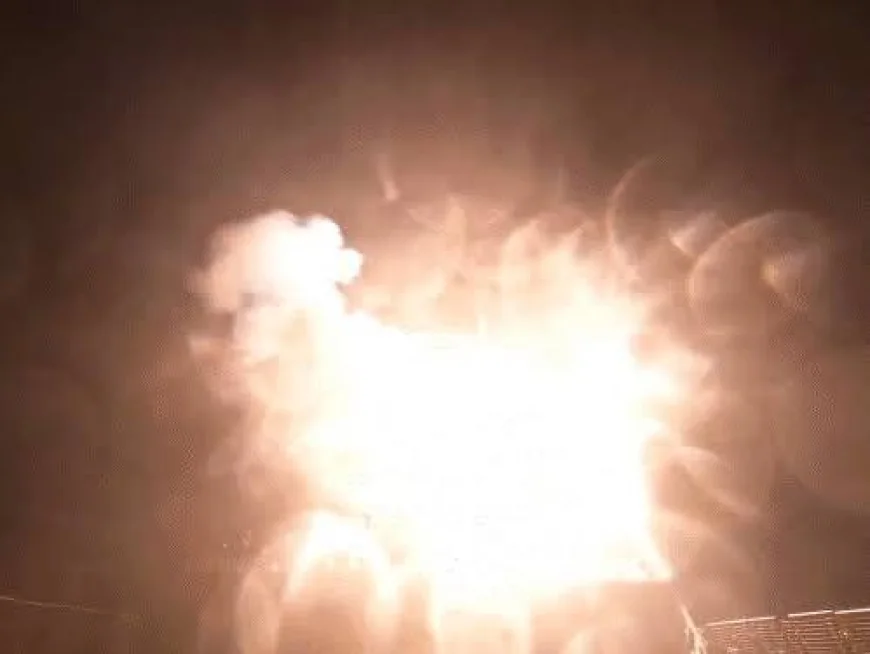
The Middle East has once again plunged into open conflict, destroying the peace many had hoped for just last month. Today, July 15, 2026, the fragile ceasefire has effectively collapsed, and the region is back in a deadly cycle of violence.
What’s going on on the ground
It’s bad news for those in the region or watching from afar. In recent days, the U.S. and Iran have been back to fighting each other directly.
-
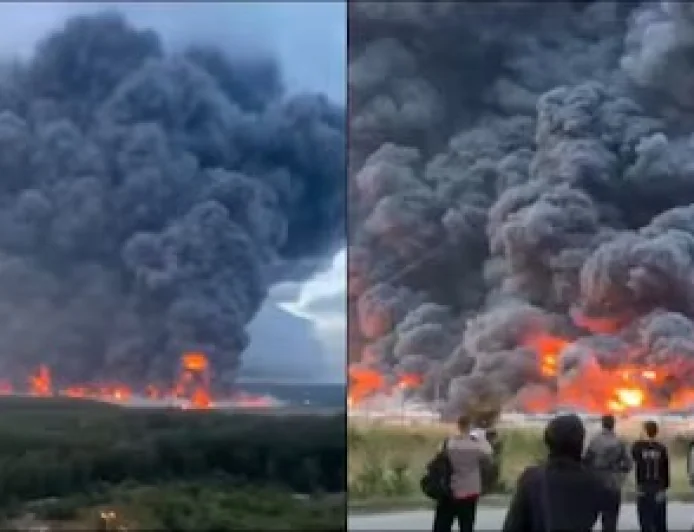
The Fighting: The U.S. has conducted multiple rounds of air strikes against military facilities throughout Iran, including coastal defence systems and missile installations near the port city of Bushehr. In reprisal, the Islamic Revolutionary Guard Corps (IRGC) fired missiles and drones at U.S.-linked military bases in Jordan, Bahrain and Kuwait.
-
The Toll: There’s a human cost to the strategic manoeuvring. Reports said at least seven Iranian military personnel were killed in an attack on a base near Iranshahr on Tuesday. More than 260 people were wounded in the latest round of U.S. strikes, an Iranian health ministry official said. The U.S. military says 14 service members have died since the war began and hundreds more have been injured, many with traumatic brain injuries.
-
The Blockade: A major cause of this escalation is the struggle for control of the Strait of Hormuz. The U.S. has reimposed a naval blockade of Iranian ports to prevent Iran from dictating terms to ships passing through this vital waterway.
Why the world is important
The Strait of Hormuz is more than just water; it is a vital artery for world energy. When that route is threatened or closed, the ripple effects are felt around the world.
-
Energy Uncertainty: Tensions spike, threatening oil tankers and rattling global markets. The immediate concern is military posturing, but any prolonged closure or major disruption to the strait could cause energy prices to spike, ultimately affecting the cost of fuel and goods for ordinary people around the world.
-
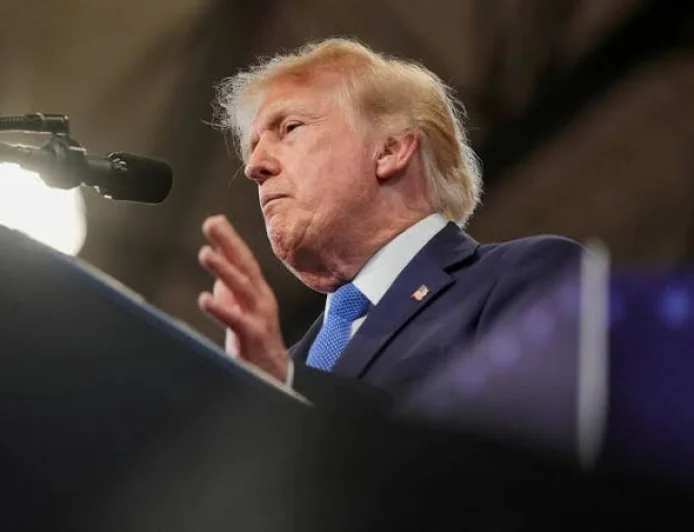
A “Dead” Diplomacy: Just a few weeks ago, there was guarded optimism that a memorandum of understanding might end the fighting. That optimism has largely disappeared. But with missile strikes continuing and sanctions deepening on both sides, both seem more interested in establishing dominance than returning to the negotiating table, even when leaders like President Trump say a deal is still "possible".
Anxiety is running high throughout the region as civilians and military personnel brace for what may be coming next. The situation remains highly volatile with the threat of even more intense strikes on power plants and infrastructure if no deal is reached.
What worries you most about this scenario, perhaps the effect on regional stability or the likelihood of further diplomatic initiatives?
What's Your Reaction?
 Like
0
Like
0
 Dislike
0
Dislike
0
 Love
0
Love
0
 Funny
0
Funny
0
 Angry
0
Angry
0
 Sad
0
Sad
0
 Wow
0
Wow
0