





























Sensex Drops Over 550 Points, Nifty Slips as Rising Oil Prices Hit Market Sentiment
Indian stock markets opened lower with Sensex losing more than 550 points and Nifty falling 160 points as rising crude oil prices hit investor sentiment.

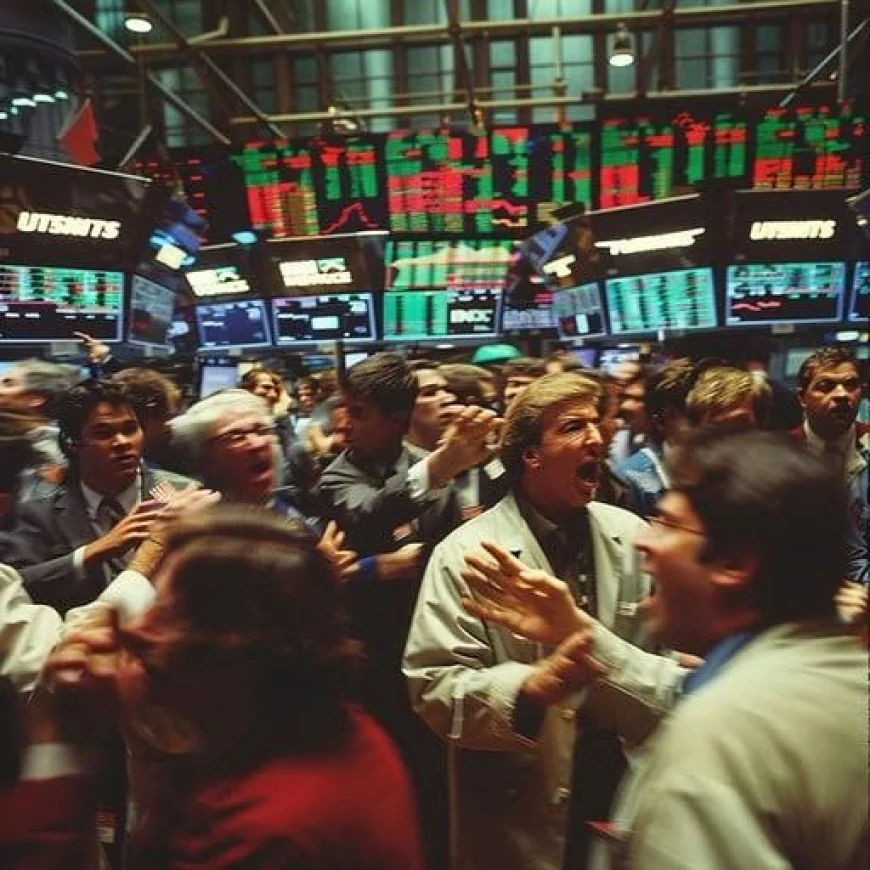
Behind the flashing red numbers on trading screens and the technical chatter about the "Sensex dropping 553 points," there is a very real, human anxiety pulsing through the morning. It is the collective intake of breath from thousands of everyday investors logging into their phone apps, watching their portfolios shrink before they've even finished their first cup of tea.
Here is what that sudden market tumble looks like at a raw, human level:
The Morning Red Screen
Imagine the chaotic energy of the opening bell. For weeks, the market has been steady, giving people a sense of security about their savings, their retirement funds, and their extra investments. Then, within the first few minutes of early trade, the tide aggressively turns.
The BSE Sensex sheds over 550 points in a blink, and the Nifty slides down by more than 160. It isn't just an abstract mathematical equation; it is a sudden wave of caution hitting money managers, pension funds, and ordinary families who wonder if this is just a temporary blip or the start of a steeper slide.
The Invisible Oil Burden
Why did everyone suddenly pull back? The culprit isn't a failure of local companies, but something happening out in the broader global landscape: rising oil prices.
The economy imports a massive amount of the oil it uses to keep its buses moving, its factories running, and its goods shipping. When global oil prices tick upward, it acts like a hidden, heavy tax on the entire country's financial system.
Corporate boardrooms look at rising oil prices and immediately see their shipping costs spiking and their profit margins shrinking. Investors realize that if oil stays high, it drives up overall inflation, making everything from groceries to everyday transport more expensive for the average consumer. Sensing trouble down the line, institutional investors decide to play it safe, pulling their money out of stocks and parking it somewhere secure.
The Waiting Game
The real human story of a market dip is the quiet waiting that follows the initial shock. Financial advisors spend their morning fielding anxious calls, telling clients to take a deep breath and avoid panic-selling.
Market corrections like this are a stressful reminder of how deeply intertwined everything is. A spike in a barrel of oil across the world instantly ripples into the value of a tech or banking stock on a local exchange. It is a game of patience, where the best move for most ordinary people is simply to close the app, look away from the red screens, and wait for the volatility to pass.
The Reality Check: For long-term investors, these sharp, oil-driven dips are often viewed not as a disaster, but as a temporary reset—a brief window where solid companies become a little cheaper to buy before the broader economy adjusts to the pressure.
What's Your Reaction?
 Like
0
Like
0
 Dislike
0
Dislike
0
 Love
0
Love
0
 Funny
0
Funny
0
 Angry
0
Angry
0
 Sad
0
Sad
0
 Wow
0
Wow
0