




























Oil Prices Hit $100 a Barrel for the First Time Since May
Global crude oil prices have climbed to $100 a barrel for the first time since May as Middle East tensions and risks to key shipping routes fuel supply concerns.

The Century Mark: Why Crude Oil Prices Have Crossed the $100 Psychological Barrier
Global crude benchmarks have officially breached the high-stakes $100 per barrel threshold for the first time since May, sending immediate shockwaves through international financial markets, currency exchanges and energy boardrooms. This milestone price point, long viewed by economists as a critical psychological tipping point, is the result of a fierce convergence of aggressive supply constraints, tightening geopolitical flashpoints and a surprisingly resilient global demand curve that continues to absorb high costs without blinking.
It’s not just a statistical anomaly on a commodities chart, but a stark indication of a globally fragile energy ecosystem built on a weak foundation. Now, refiners are scrambling for physical barrels, traders are pricing in worst-case scenarios at major production hubs, and the return of $100 oil is casting a long, heavy shadow over post-inflation economic recovery efforts around the world.
The Perfect Storm: Dissecting the Forces Behind the Surge
A multi-layered cocktail of supply-side bottlenecks and growing external pressure has set the stage for $100 crude. “The rally is different from past rallies which were driven purely by speculative financial trading, and is based on physical market fundamentals:
1. OPEC+ production discipline intact
The Organisation of the Petroleum Exporting Countries and allies, known as OPEC+, has been managing the world’s supply. The cartel has systematically drained commercial stockpiles by prolonging voluntary production cuts and highlighting price stability rather than market share. Spare production capacity, which has traditionally served as the global economy’s shock absorber during supply crunches, has been trimmed to uncomfortably thin margins, leaving the market highly vulnerable to any unexpected disruption.
2. Geopolitical Friction and Chokepoint Worry
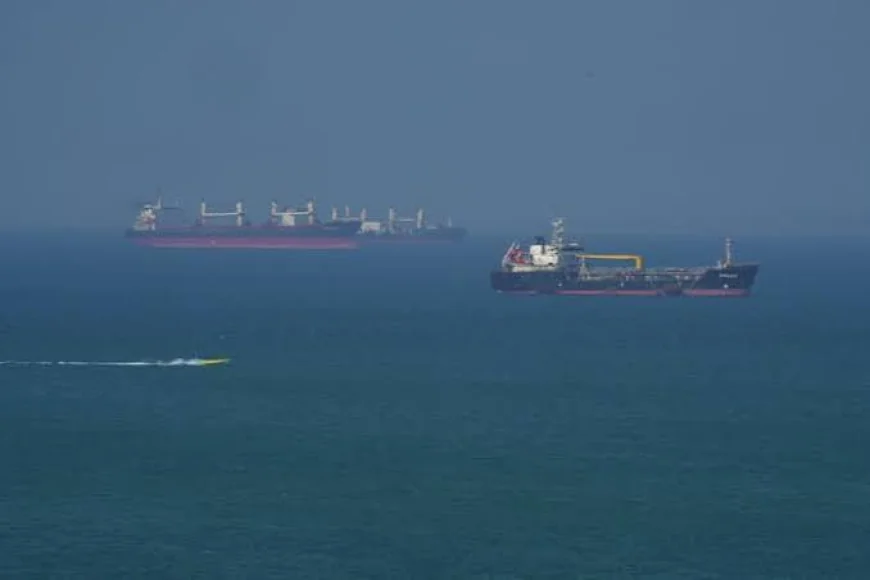
The energy pricing is seeing a massive risk premium return as major maritime transit corridors and key oil-producing regions are experiencing heightened tensions. Traders are aggressively factoring in the ever-present threat of sudden supply disruptions, ranging from simmering conflicts in the Middle East threatening key shipping lanes such as the Strait of Hormuz to ongoing disruptions affecting major export terminals.
3. Defying Gravity: Global Demand Resilience
But confronted with high interest rates, slowing industrial growth in key economies and persistent inflationary headwinds, global petroleum demand has refused to contract as sharply as many analysts had predicted. Jet fuel demand remains on a steady recovery path post-COVID, petrochemical feedstock demand is robust and driving seasons in key consumer markets have consistently outperformed, putting continued pressure on global inventories.
The Global Economy and $100 Oil: The Ripple Effect
When crude oil hits $100 a barrel, the economic shock waves are felt almost immediately, from the macro-economic level to the household budget.
-
The Return of Sticky Inflation Energy is the lifeblood of modern commerce. As crude prices go up, the costs of transportation, logistics, manufacturing and agriculture will go up with it. Consumer price indices are under upward pressure again, a challenge for central banks that have spent years trying to tame inflation and guide economies to soft landings – and that complicates any future path for interest rate cuts.
-
Consumer wallets are feeling the strain. Drivers feel the pinch immediately at the pump. Higher petrol and diesel prices squeezed discretionary income and pulled back consumer spending on retail and travel, and may have cooled broader economic momentum.
-
Different Fates for Countries: Major net exporter economies are suddenly awash in sovereign cash flow, while energy importing developing countries are experiencing severe balance of payment crises. Higher crude import bills put pressure on foreign exchange reserves, undermine local currencies and push up domestic energy subsidies, threatening fiscal stability in vulnerable regions.
Energy traders and policymakers are watching to see whether $100 oil is a temporary spike, driven by seasonal panic, or the dawn of a prolonged, high-cost era for global energy, as markets digest this new pricing reality.
What's Your Reaction?
 Like
0
Like
0
 Dislike
0
Dislike
0
 Love
0
Love
0
 Funny
0
Funny
0
 Angry
0
Angry
0
 Sad
0
Sad
0
 Wow
0
Wow
0