




























No Need to Panic, Say Doctors as Covid-19 Cases Climb Across India
Doctors say the recent rise in Covid-19 cases in India should not trigger panic, as most infections are mild. However, anyone experiencing fever, cough, body aches or other flu-like symptoms should remain cautious, follow basic preventive measures and seek medical advice if symptoms worsen.


A gradual rise in Covid-19 cases is being witnessed in many parts of the country. Health experts have advised people to be cautious and assured them that there is no need to panic. Doctors say most of the infections reported in recent weeks have been mild, and most patients are recovering at home with rest, hydration and basic medical care. But they cautioned against ignoring the common symptoms like fever, cough, sore throat and body ache.
Experts: Catch it early
The virus is still circulating, although the situation is not comparable to the severe waves experienced during the peak of the pandemic, according to medical professionals. They advise people with flu-like symptoms to monitor their health and seek medical advice if their symptoms worsen or last several days.
Doctors have especially warned elderly people, pregnant women and those with chronic illness such as diabetes, heart disease or respiratory conditions to take extra care as they remain more vulnerable to severe illness.
Most Cases Mild, Hospitals Ready
Most of the recent Covid-19 infections have not required hospitalisation, health experts say. There is no evidence of any unusual stress on the healthcare system at this time, and hospitals and healthcare facilities are prepared to care for cases, if needed.
Watch Out for These Symptoms
Doctors advise people to monitor themselves for symptoms including:
Fever
Persistent cough
Sore throat
Body aches
Fatigue
Runny or blocked nose
Headache
Shortness of breath in severe cases
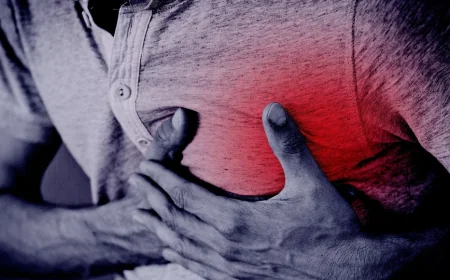
People with difficulty in breathing, persistent chest pain or high fever should get urgent medical attention.
Simple precautions still count
Good hygiene practices – such as frequent handwashing, covering coughs and sneezes, and wearing a mask in crowded or poorly ventilated spaces – are important for health experts, particularly if you are in a vulnerable group. Those who are unwell should avoid close contact with others and think about testing if advised by a healthcare professional.
Doctors say vaccinations and booster doses continue to protect against severe illness and those eligible should stay up to date on recommended doses.
What's Your Reaction?
 Like
0
Like
0
 Dislike
0
Dislike
0
 Love
0
Love
0
 Funny
0
Funny
0
 Angry
0
Angry
0
 Sad
0
Sad
0
 Wow
0
Wow
0