




















No Entry for Forced Labour Products: Government Tightens Import Rules
India has amended its Foreign Trade Policy to ban the import of goods produced using forced labour. The move aims to promote ethical sourcing, strengthen supply chain transparency, and align India's trade regulations with global labour standards.

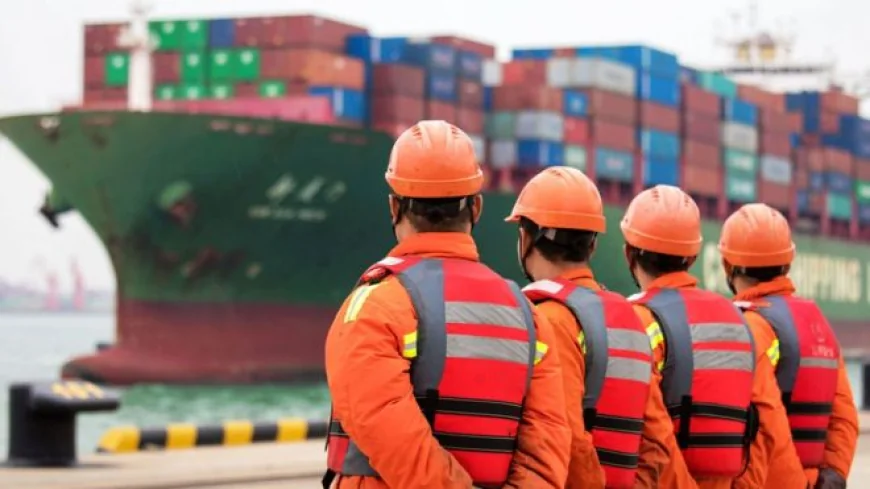
In a major amendment to its Foreign Trade Policy (FTP), the Government of India has banned the import of goods produced or manufactured with forced labour as part of its efforts to strengthen ethical trade practices. The decision is in line with global efforts to eliminate forced labour from global supply chains and highlights India’s commitment to fair labour standards.
New Rule to Combat Forced Labour in Global Supply Chains
The new rules will bar the import of any goods that are determined to have been wholly or partly produced with forced labour. The move is aimed at preventing products associated with exploitative labour practices from entering the Indian market and to encourage responsible sourcing practices among companies.
Forced labour is work that is done involuntarily, and under threat of penalty. The amendment is expected to enhance transparency in trade and to ensure that imported products meet internationally recognised labour standards.
Higher compliance requirements may be imposed on importers.
Industry experts believe the policy could require importers to exercise more due diligence when sourcing goods from overseas suppliers. Companies may be required to audit their supply chains and keep documentation that their products are not produced by forced labour.
The measure is also expected to increase confidence among consumers and trading partners by encouraging ethical business practices. Industries with complex international supply chains, such as textiles, electronics, agriculture and manufacturing, may come under more scrutiny.
Adhering to International Trade Norms
“The move aligns India’s trade policy with international standards of the developing world set by a number of leading economies that have tightened restrictions on products linked to forced labour. It also backs international commitments to protect workers’ rights and to combat labour exploitation.
The new policy will likely boost India’s image as a responsible trading nation and promote sustainable and transparent trade practices, officials said. Businesses that engage in international trade will need to review their procurement procedures to ensure they are in line with the new requirements.
The government’s decision is yet another step towards integrating ethical factors into trade policy, trying to find a middle ground between economic growth and respect for human rights and fair labour practices.
What's Your Reaction?
 Like
0
Like
0
 Dislike
0
Dislike
0
 Love
0
Love
0
 Funny
0
Funny
0
 Angry
0
Angry
0
 Sad
0
Sad
0
 Wow
0
Wow
0