
























No Choice Between E10 And E20 Petrol, Centre Clarifies Ethanol Fuel Policy
As India moves ahead with its ethanol-blending programme, the Centre said that consumers will not have a choice between E10 and E20 petrol.

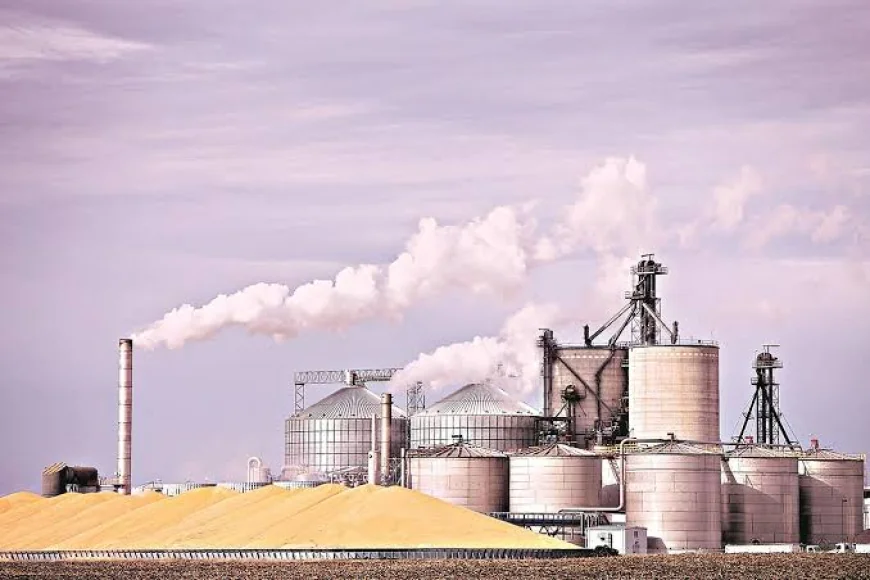
If you were hoping for choice at the pump – perhaps staying with pure petrol or a lighter E10 mix for an older car – the Central Government has officially slammed that door shut. The Ministry of Petroleum and Natural Gas has made it clear that E20 petrol (20% ethanol blend) is now the standard base fuel in the country and they will not be giving different grades.
The government rejected the notion of allowing consumers a choice as logistically impossible and economically backwards.
The Logistical Nightmare of Multiple Fuel Flows
The primary reason that we will not see options at the pump is India’s massive fuel infrastructure that is spread across more than one lakh retail outlets.
The ministry says keeping separate supply chains for pure petrol, E10 and E20 would mean doubling storage tanks, underground pipelines and delivery trucks at every refinery and depot in the country, at the same time. That would put handling costs into the stratosphere and create inventory nightmares that would ultimately hurt consumers where it hurts most.
The government also dismissed comparisons with “Premium” fuels, saying premium petrol is a niche product with small chemical additives at the station, not a separate, huge supply stream.
Will E20 Damage Older Cars?
The decision comes amid a wave of online anxiety from drivers concerned that the higher 20% ethanol blend is actively corroding rubber hoses, eating through fuel lines and damaging older engines certified for E10.
The government says such fears are exaggerated. They said the transition was carefully planned over the years with car manufacturers and testing agencies. To ease drivers' nerves, the ministry cited massive field data from the real world:
-
Maruti Suzuki said it serviced about 2.84 crore vehicles in the last fiscal, including 1.5 crore older models not certified for E20 fuel, and received absolutely zero cases of fuel-related engine failure or component corrosion.
-
Hero MotoCorp also claimed a similarly smooth experience on millions of its two-wheelers across the country.
The ministry said if your older car manual reads “E10 compatible,” it simply means that was the fuel standard at the time that car was manufactured, not that the car is suddenly unsafe when a scientifically improved national standard is released.
The Mileage Trade-off vs. The Larger Picture
One big consumer complaint the government did confirm, publicly: mileage does take a small hit. The ministry acknowledged that the fuel efficiency of some cars would drop by 3 to 5 per cent when using E20.
But they say that mileage can’t be the only thing drivers should care about. E20 has a higher octane rating, smoother engine acceleration and a 40% lifecycle reduction in carbon emissions compared to unblended fuel, the ministry said.
In addition, rolling back the programme now would destroy nearly ₹1 lakh crore of bank loans and investments that have been invested in local ethanol distilleries and agricultural infrastructure. The government also says that one E20 standard is imperative to safeguard the country from international crude oil spikes, support Indian farmers and move towards a cleaner environment.
What's Your Reaction?
 Like
0
Like
0
 Dislike
0
Dislike
0
 Love
0
Love
0
 Funny
0
Funny
0
 Angry
0
Angry
0
 Sad
0
Sad
0
 Wow
0
Wow
0