













Justice Lokur Criticises MEA's Passport Stand, Says It Misreads the Law
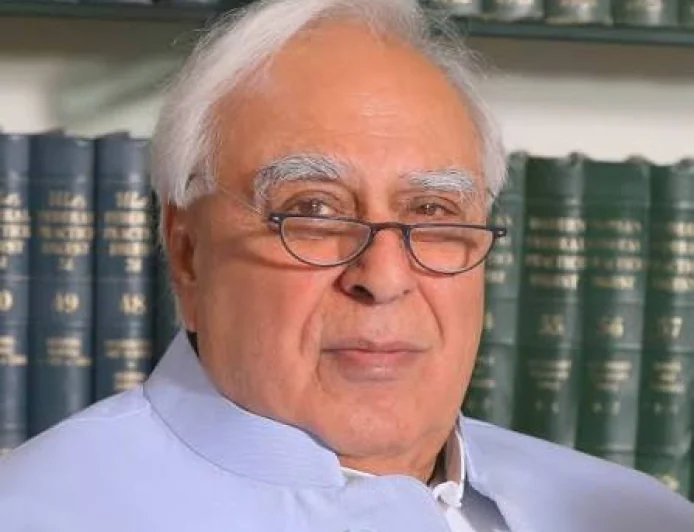
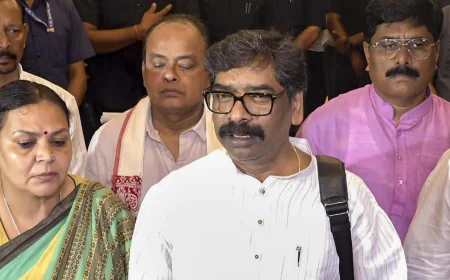
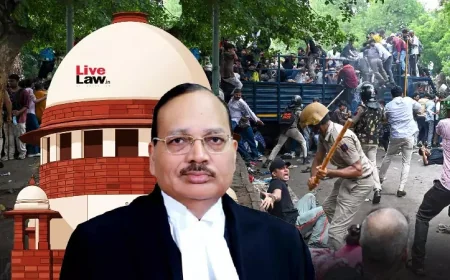
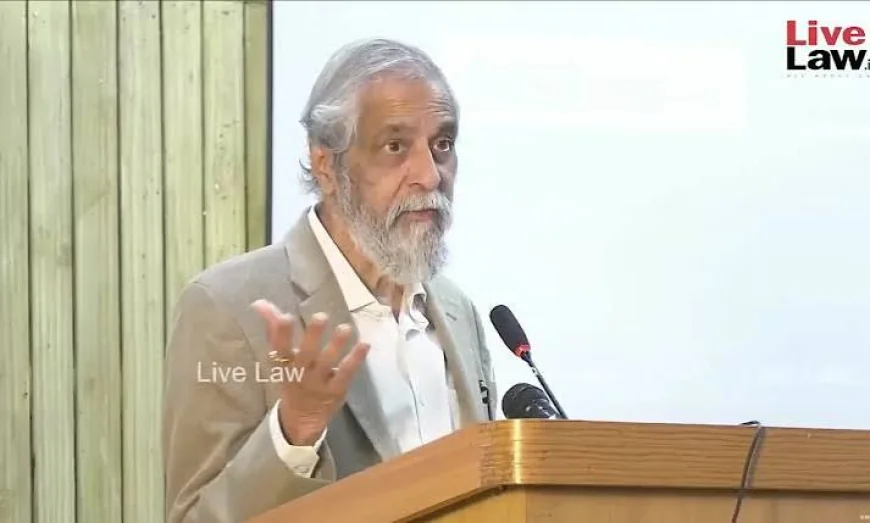
Former Supreme Court judge Justice Madan B. Lokur has said the MEA’s claim that a passport is just a travel document misinterprets the Passports Act and raises serious constitutional issues.

Cutting through the thick legalese, this controversy hits at a very raw, very uncomfortable question for ordinary people: If your government-issued navy blue booklet doesn’t establish your identity, what does?
Here is the human face of the friction between the government and Justice Lokur’s warning:
Reality on the Ground
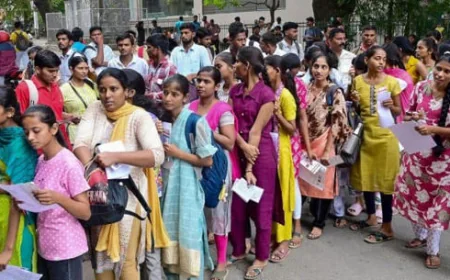
The Anxiety of Belonging For the average person, a passport is an expensive, hard-earned document. To get one, you have to stand in a queue, go through heavy police verification and produce lifetime records. A ministry saying that this high-level document is effectively no different than a "bus ticket" creates a deep sense of vulnerability about basic identity and belonging.
The Global Headache: Imagine you are standing at an embassy or an international border window. You give your Indian passport, but the country you are trying to enter knows that your own homeland does not consider that booklet official proof of your citizenship. It turns the normal process of travel into a deeply stressful one.
The Vulnerability of the Marginalised: The sharpest edge of this debate is not felt by frequent flyers but by people facing intensive administrative checks or revisions to local voter lists. If a passport can be dismissed as “just a travel paper", everyday people lose one of their strongest, most trusted shields against getting caught up in bureaucratic red tape.
The Core Conflict: To the government, a passport is just an administrative tool, a permission slip to cross a border. But to the person who carries it, that booklet is a promise of protection, of legal identity, of a place to call home.
What's Your Reaction?
 Like
0
Like
0
 Dislike
1
Dislike
1
 Love
0
Love
0
 Funny
0
Funny
0
 Angry
0
Angry
0
 Sad
1
Sad
1
 Wow
0
Wow
0