





























India’s Chip Dream Was Derailed in 1989. In 2026, It Is Roaring Back
India was producing semiconductors before TSMC was founded, but a 1989 fire disrupted its early chip ambitions. With live shipments and Semicon 2.0, India is rebuilding its semiconductor future.

The Roots of Early Ambition
Long before global supply chains became heavily centralized in East Asia, India actually made an ambitious early entry into the semiconductor space. Back in 1976—three years before Taiwan Semiconductor Manufacturing Company (TSMC) even existed—the government approved the creation of Semiconductor Complex Limited (SCL) in Mohali. Operating with a clear vision for indigenous technological capability, the facility began active production by 1984. While its technology nodes were a couple of generations behind elite global labs at the time, SCL represented a vital, foundational stepping stone for domestic manufacturing, research, and long-term strategic self-reliance.
The 1989 Fire and Lost Momentum
That promising trajectory suffered a catastrophic and heartbreaking setback on February 7, 1989, when a mysterious and devastating fire swept through the Mohali clean rooms, gutting the main production line. Causing severe financial losses and leaving the facility completely crippled, the disaster forced a prolonged shutdown. By the time SCL managed to resume limited operations nearly a decade later, the global semiconductor industry had advanced at a blistering, breakneck speed, leaving India's commercial aspirations largely sidelined. For decades afterward, the plant was restricted primarily to legacy production for niche defense and space applications, forcing the country back into a heavy reliance on imported chips.
A Phoenix-Like Revival Under Semicon 2.0
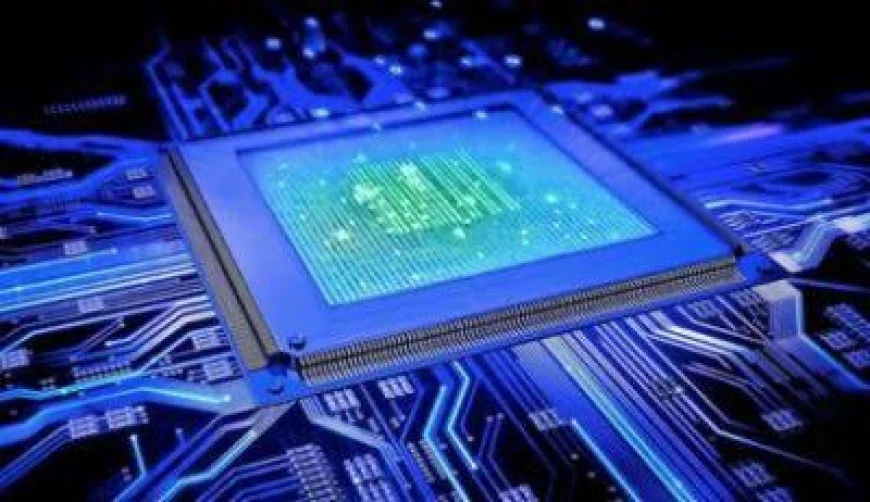
Decades later, the national semiconductor narrative has shifted dramatically. Fueled by the momentum of the India Semiconductor Mission, the ecosystem is staging a powerful comeback characterized by active commercial shipments, bustling factory floor operations, and newly operational packaging units. Building on this renewed industrial surge, the Union Cabinet rolled out Semicon 2.0 with a massive financial outlay of ₹1,27,500 crore. This next-generation framework moves well beyond basic assembly, targeting high-value pillars like indigenous chip design, specialized equipment, raw materials, and advanced research to finally finish what was so abruptly interrupted back in 1989.
What's Your Reaction?
 Like
0
Like
0
 Dislike
0
Dislike
0
 Love
0
Love
0
 Funny
0
Funny
0
 Angry
0
Angry
0
 Sad
0
Sad
0
 Wow
0
Wow
0