






















IEA Warns Middle East Conflict Is Raising Global Oil Supply Risks
The International Energy Agency said escalating hostilities around the Strait of Hormuz and regional energy infrastructure are increasing oil-security concerns, though emergency reserves and alternative export routes are cushioning supply disruptions.

Keeping a Close Watch on Global Oil Markets Amid Rising Tensions
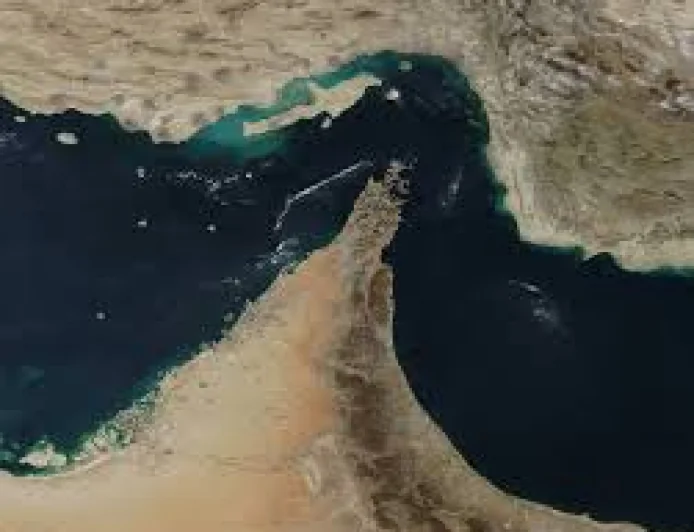
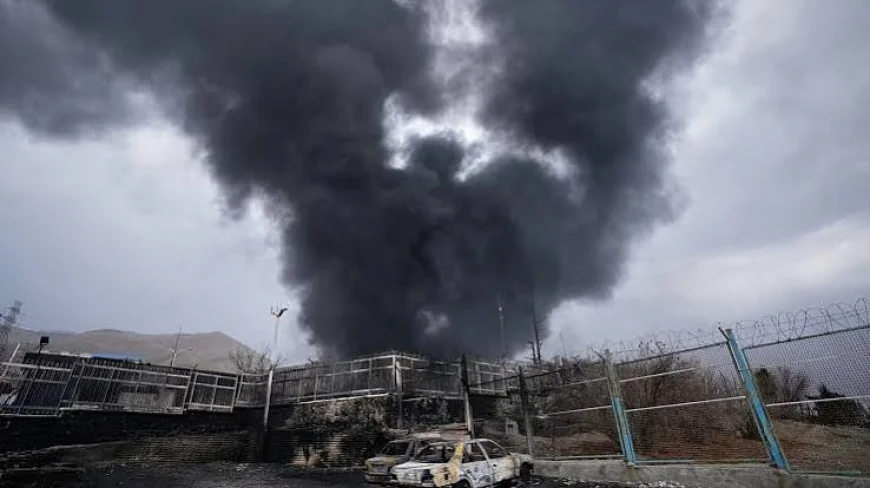
The International Energy Agency has stepped forward to closely monitor global oil markets amid a tense escalation in Middle East hostilities. Executive Director Fatih Birol issued a formal statement addressing growing security-of-supply concerns, specifically highlighting how rising disruptions and threats targeting critical shipping lanes like the Strait of Hormuz and the Bab el-Mandeb Strait have injected a heavy dose of uncertainty into the global economic outlook.
While alternative trade routes and bypass options have managed to absorb some of the immediate shocks, the agency warned that critical maritime chokepoints remain under severe strain, putting mounting pressure on international supply chains and everyday energy stability.
The Cushions Keeping Global Supplies Steady
Despite the heavy regional tensions, Birol pointed out that crude oil markets currently benefit from a few vital cushioning factors preventing a full-blown crisis:
-
Alternative Export Routes: Major Gulf producers, particularly Saudi Arabia and the United Arab Emirates, have made extraordinary efforts to keep supplies moving to global markets using alternative regional transit routes alongside volumes still managing to clear the Strait of Hormuz.
-
Global Production Boost: Producers outside the region—most notably the United States, Brazil, Venezuela, and Kazakhstan—have successfully stepped up their export volumes, helping offset some of the critical supply losses originating from the Gulf.
-
Demand-Side Stabilization: China has played a significant role in stabilizing price pressures by trimming its crude oil imports by nearly 50% compared to pre-war levels.
-
Emergency Stock Releases: Coordinated international interventions continue to deliver massive relief. Out of the 400 million barrels of oil pledged through the IEA's collective action, member countries have already pumped roughly 290 million barrels into the market, backed by over 1 billion barrels still held safely in government reserves.
Tight Fuel Markets and Natural Gas Pressures
Even with robust crude reserves, the agency stressed that there is zero room for complacency. Commercial inventories continue to shrink, and refined product markets—including vital supplies of diesel and gasoline—remain significantly tighter than raw crude because refinery activity has lagged behind crude deliveries.
Meanwhile, natural gas markets are facing their own hurdles. While increased liquefied natural gas flows led by the U.S. and Canada have successfully offset about 70% of the supply lost through the Strait of Hormuz, any further delays in fully restoring Gulf exports risk keeping global markets tight. This creates mounting pressure for regions like Europe as they scramble to refill gas storage reserves ahead of the coming winter. Concluding the briefing, the IEA maintained that a lasting resolution to the conflict featuring the full, unconditional reopening of the Strait of Hormuz remains the absolute key to protecting global energy security.
What's Your Reaction?
 Like
0
Like
0
 Dislike
0
Dislike
0
 Love
0
Love
0
 Funny
0
Funny
0
 Angry
0
Angry
0
 Sad
0
Sad
0
 Wow
0
Wow
0