



























EASL 2026 Interview: Debbie Shawcross On Liver Health, Research And Global Collaboration
EASL Secretary General Debbie Shawcross talks about the future of hepatology, global collaboration and the latest advances in liver disease research at the EASL Congress 2026.

The EASL Congress in Barcelona represents a definitive leap forward in the global conversation on liver health. More than 8,000 researchers, clinicians and patient advocates gathered for the event, which served as a major platform to outline where liver medicine is headed, and the message was clear: the future of hepatology depends entirely on aggressive prevention and borderless scientific collaboration.
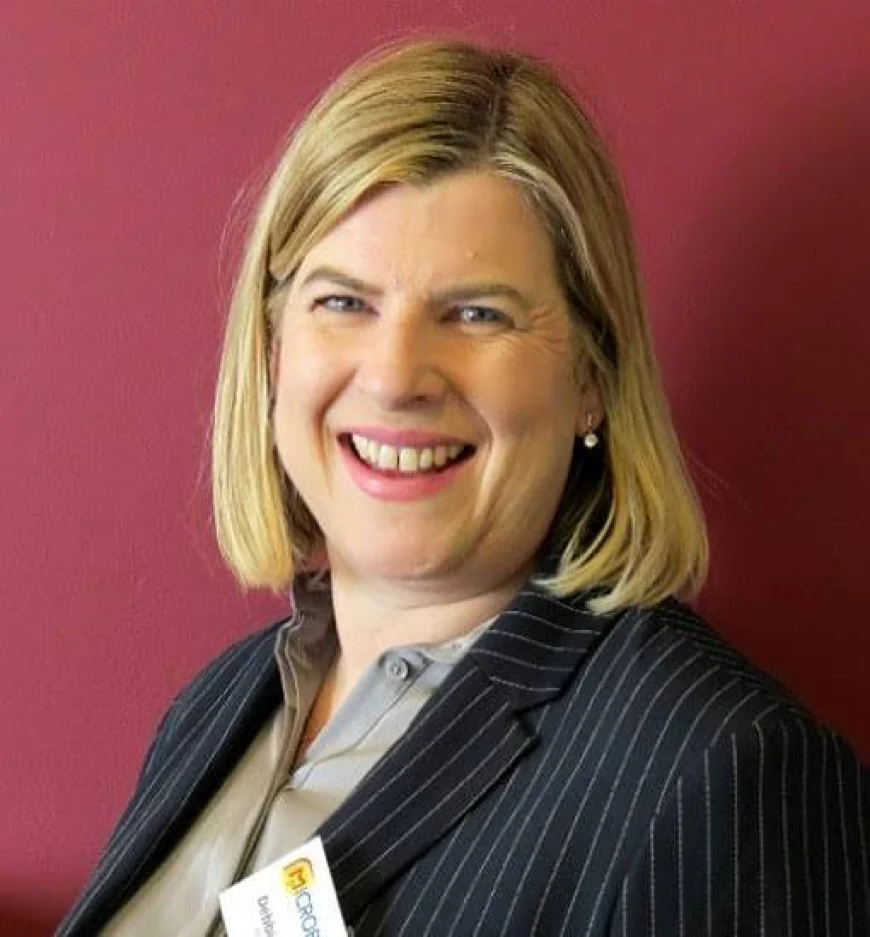
This is led by Professor Debbie Shawcross. EASL’s first female secretary general is Professor Shawcross, a professor of hepatology at King’s College London and a leading expert in chronic liver failure.
Changing the focus to prevention and public health
For years, liver medicine has been largely reactive, treating advanced scarring, cirrhosis and liver failure after the damage has been done. Shawcross is trying to upend that model by putting prevention at the centre of EASL’s advocacy.
Metabolic and alcohol-related liver diseases are quietly becoming defining global health crises, and the focus is shifting to public awareness and policy change. Shawcross is campaigning for international bodies such as the United Nations and World Health Organization to formally recognise steatotic (fatty) liver disease as a major non-communicable disease. The aim is simple: to have the same global funding, screening guidelines and public health urgency as we do for other conditions such as diabetes and heart disease.
Re-imagining “The Home of Hepatology”
What began in 1966 as a small, local European association has developed into a huge global network. Today, EASL boasts a membership of over 7,700 members from 128 countries. Shawcross often describes the organisation as the “home of hepatology" and emphasises the importance of breaking down silos between clinical researchers, front-line physicians and policymakers to address liver disease at scale.
Congress put a huge emphasis on developing the next generation of medical minds. The organisation is actively working to lower the entry barrier for young investigators and international research teams that are rewriting the rules of liver care with new educational formats and specialised research programmes.
New Frontiers in Liver Research
Three main research areas were the buzz of the hallways among the thick scientific presentations at the Congress:
The Gut-Liver Axis scientists are learning more and more about the gut microbiome and how it affects liver health. Shawcross said that understanding this complex cross-talk was opening up whole new avenues for predicting how liver disease will progress and for designing targeted treatments.
Steatotic Liver Disease: As metabolic dysfunction becomes more prevalent globally, improving our capability to detect and manage fat accumulation in the liver before it causes serious inflammation is a major area of research.
Bringing the Definition of ACLF Together: Just before the main congress, experts gathered for the Global Acute-on-Chronic Liver Failure (ACLF) Consensus Meeting. Shawcross thought this was a huge step forward. “Having a single definition that the entire world agrees on for ACLF will allow researchers worldwide to finally align their data, accelerating clinical trials and having a direct impact on patient care at the bedside.
Looking forward, Shawcross has vowed that her time in office will be one in which these sophisticated lab breakthroughs are not only published in medical journals but actively translated into real-world public health policies that save lives.
What's Your Reaction?
 Like
0
Like
0
 Dislike
0
Dislike
0
 Love
0
Love
0
 Funny
0
Funny
0
 Angry
0
Angry
0
 Sad
0
Sad
0
 Wow
0
Wow
0