










Delhi High Court Declines PIL Seeking NIA Probe Into CJP Protests; Petition Withdrawn
The Delhi High Court refused to entertain a PIL seeking an NIA investigation into the CJP protests. The petitioner withdrew the plea after the court showed no inclination to hear it.

Delhi High Court Rejects PIL Seeking NIA Probe into CJP Protests
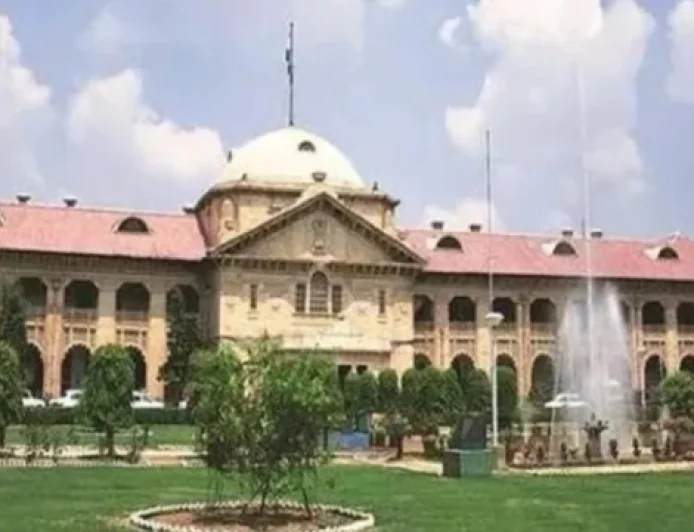
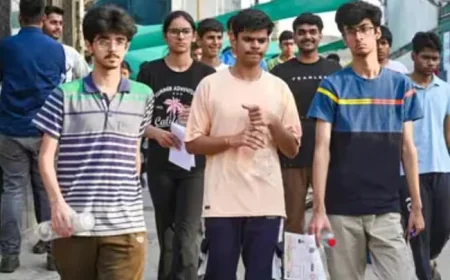
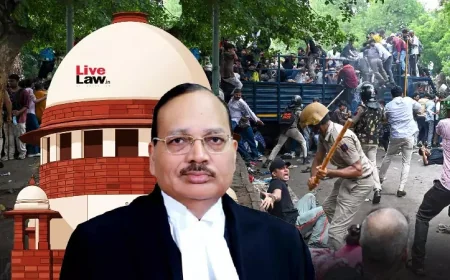
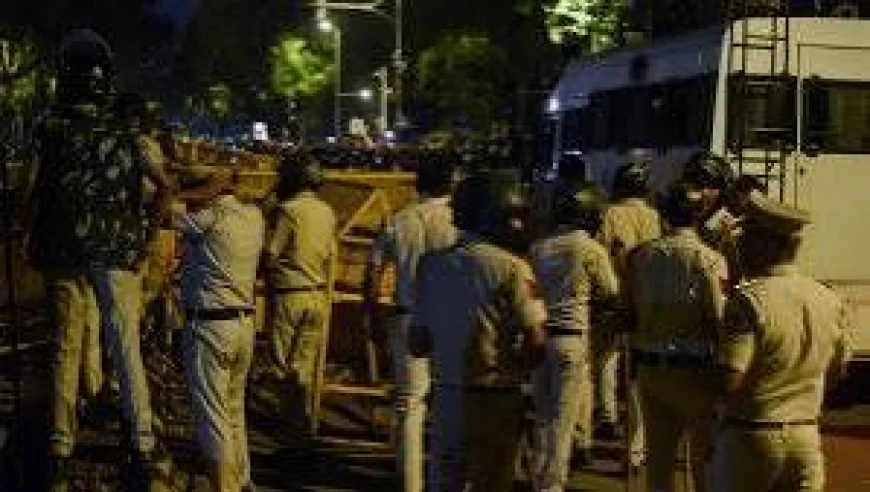
The legal landscape surrounding the ongoing student demonstrations in the national capital took a definitive turn when the Delhi High Court firmly declined to entertain a public interest litigation (PIL). The petition had sought to hand over the investigation into the violent July 20 Parliament march—led by the Cockroach Janta Party (CJP)—to the National Investigation Agency (NIA) or another specialised central probe body.
A bench led by Chief Justice DK Upadhyaya and Justice Tejas Karia made it clear that the judiciary will not step in to dictate investigative agency assignments based on public demonstrations or media footage alone. The bench underscored that deciding whether an offence warrants an NIA probe falls squarely under the exclusive administrative satisfaction of the central government, noting that the court cannot substitute its own judgement for that of the executive branch.
Legal Hurdles and the Question of Statutory Authority
During the hearing, the court engaged in a sharp legal discussion regarding the boundaries of judicial intervention in ongoing public order situations. The bench reiterated that statutory authorities are already fully cognisant of the ground situation and possess the necessary powers under existing criminal and administrative frameworks to handle unlawful assemblies and property damage.
Despite the central government's counsel urging the bench to examine the gravity of the situation, the judges maintained a strict hands-off approach regarding the specific prayer for an NIA handover. The court noted that routine law enforcement agencies and specialised crime branches in the capital are already tracking the conspiratorial angles, stone-pelting incidents, and damage to public property resulting from the protests, rendering a parallel NIA mandate legally premature at this stage.
Withdrawal of the Petition and Broader Context
Faced with the bench's critical observations—and facing parallel suggestions from Solicitor General Tushar Mehta—the petitioner's counsel ultimately chose to withdraw the plea. The court subsequently dismissed the petition as withdrawn, bringing a swift end to that particular legal avenue.
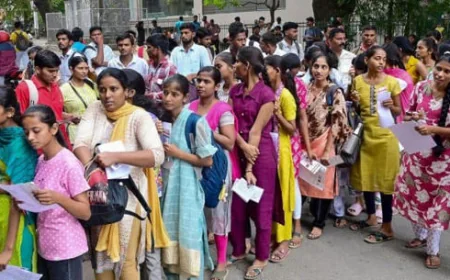
This ruling unfolds against the backdrop of heightened tensions in New Delhi, where the CJP protests have triggered severe traffic gridlocks, metro station closures, and intense political negotiations over national examination reforms. While the legal system continues to process fallout from the demonstrations—including fast-track court designations and bail hearings—the High Court's refusal to interfere with central investigative jurisdiction signals a clear boundary between executive enforcement and judicial oversight during major civil unrest.
What's Your Reaction?
 Like
0
Like
0
 Dislike
0
Dislike
0
 Love
0
Love
0
 Funny
0
Funny
0
 Angry
0
Angry
0
 Sad
0
Sad
0
 Wow
0
Wow
0