
























Congo Ebola Death Toll Tops 930 as Health Teams Race to Contain Spread
Health officials said the Ebola outbreak in the Democratic Republic of Congo has killed more than 930 people, one of the worst health emergencies the country has faced in recent years.

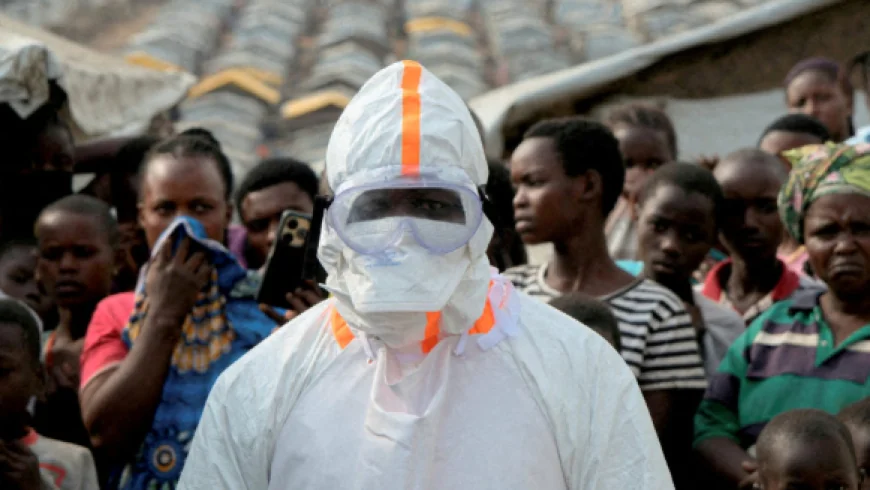
But the virus continues to spread in several regions despite vaccination campaigns and new treatment centres, and officials warn that access to care in remote areas is a major challenge.
Casualties are increasing
The authorities say at least 930 people have died since the outbreak began. New infections continue to be reported, and contact tracing teams are working to keep up with the virus moving between communities.
Health officials say the response that’s already underway may have prevented a higher toll but describe the situation as “serious and ongoing".
The response was amplified
The Congolese government has increased testing, opened more treatment centres and sent more medical teams to hotspots.
Vaccination campaigns have been extended to those at risk and those who may have been exposed. In some locations, health workers on the ground are going door to door to trace contacts of confirmed cases, a critical step to breaking chains of transmission.
Protective equipment and supplies and extra staff have been rushed to clinics struggling with patient numbers.
Public urged to get early care
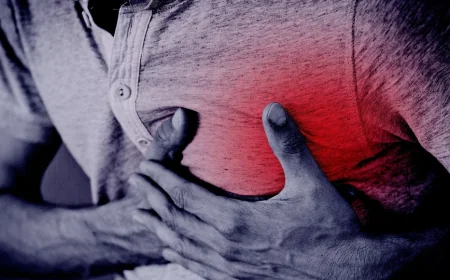
Officials are telling residents if they have symptoms, don’t wait. Warning signs include fever, weakness, vomiting, and unexplained bleeding.
Local leaders and community health workers are raising awareness and educating people about hygiene practices, safe burial protocols, and the importance of early treatment for survival. In many villages, radio broadcasts and town meetings are being used to disseminate the information quickly.
“If you start feeling sick, go to a health centre right away,” said a health official. “It saves lives, and it protects your family.
International support on the field
The World Health Organization and several humanitarian agencies are working with the health ministry in Congo. Vaccines, medical expertise and equipment are being provided to treatment centres.
Experts say the fight against Ebola is two things: strong lab and clinical support and community trust. That means combining medical tools with clear communication so people know where to go for help and aren’t afraid to use it.
The WHO and partners have pledged to stay until transmission is stopped but say sustained funding and cooperation will be critical.
More than 930 lives lost. Now the focus is on preventing the next 100. Health teams say expanded vaccination, faster testing and community engagement offer the best hope of getting the outbreak under control.
What's Your Reaction?
 Like
0
Like
0
 Dislike
0
Dislike
0
 Love
0
Love
0
 Funny
0
Funny
0
 Angry
0
Angry
0
 Sad
0
Sad
0
 Wow
0
Wow
0