




























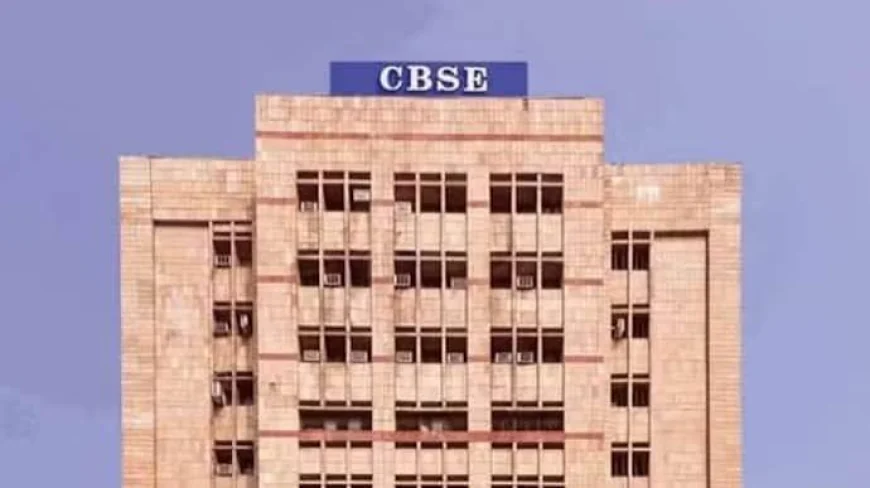
CBSE Clarifies R3 Assessment Rules; No Class 10 Board Exam for Third Language
CBSE has confirmed that there will not be any Class 10 board examination for the third language (R3). However, students will have to clear the school-based assessment to get their pass certificate.

If you forget the legal circulars, the policy numbers, and the acronyms, this is a story about a massive, quiet sigh of relief inside millions of Indian households. It’s about the education system trying to teach children a new language without breaking their spirits under the pressure of a national exam.
Here is what these new assessment rules look like at the kitchen table:
Lifting the Board Exam Weight
Imagine being a 14-year-old student walking into Class 9. You are already feeling that heavy, creeping dread of the "Board Exam Years." Suddenly, a new policy drops, telling you that you now have to study three languages instead of two, and at least two of them must be native Indian languages.
In a country where board exams are treated like a life-or-death event, adding another full subject to that high-stakes calendar would usually cause outright panic. Parents would be scrambling to find new tuition classes, and teenagers would be looking at even less sleep.
This "R3 rule" changes that completely. By deciding that the third language will only be graded through internal school assessments, the board has taken away the monster under the bed. There will be no terrifying external board exam paper for this subject. Students will be tested by the teachers who actually see them every day in class, allowing them to focus on learning to speak and understand a language, rather than ruthlessly memorizing it just to survive a three-hour pressure cooker in an exam hall.
The Mandatory Safety Net
However, the board is also making sure students don't treat the subject like a complete joke. They’ve attached a very firm catch: you still have to pass it.
If a student completely ignores the subject and fails their school’s internal test in Class 10, the board will withhold their final school passing certificate. They are essentially saying: We won't stress you out with a national exam, but you cannot treat this language as disposable.
To make it fair, if a student does have a bad day and fails, the school is required to give them a quick reassessment chance right there on campus before the final national results come out. No one's future is going to be ruined over a single internal language slip-up.
Who is Sparing Whom?
This announcement has parents intensely checking the birth years of their children, because how this hits your home depends entirely on what grade your child is in right now:
-
The Current Class 10 Kids: They are completely safe. They stay on the old two-language path with absolutely no changes to their upcoming board exams.
-
The Transition Batches (Current Classes 7, 8, and 9): They have to pick up the third language, but they get the protection of this school-only, internal grading system when they eventually reach their big Class 10 year.
-
The Current Class 6 Batches and Beyond: They are the ones who will face the full weight of the new policy. Because they have the time to grow up with the brand-new textbooks and curriculums, they will have to sit for a formal, external CBSE board exam for their third language down the line.
It is a rare moment of bureaucratic empathy—an attempt by the education board to shift the country toward learning more regional languages while explicitly trying to shield the current generation of stressed-out teenagers from collapsing under the extra workload.
What's Your Reaction?
 Like
0
Like
0
 Dislike
0
Dislike
0
 Love
0
Love
0
 Funny
0
Funny
0
 Angry
0
Angry
0
 Sad
0
Sad
0
 Wow
0
Wow
0